







Wellcraft 2026: Why the Legend Still Matters for Serious Boaters
Introduction
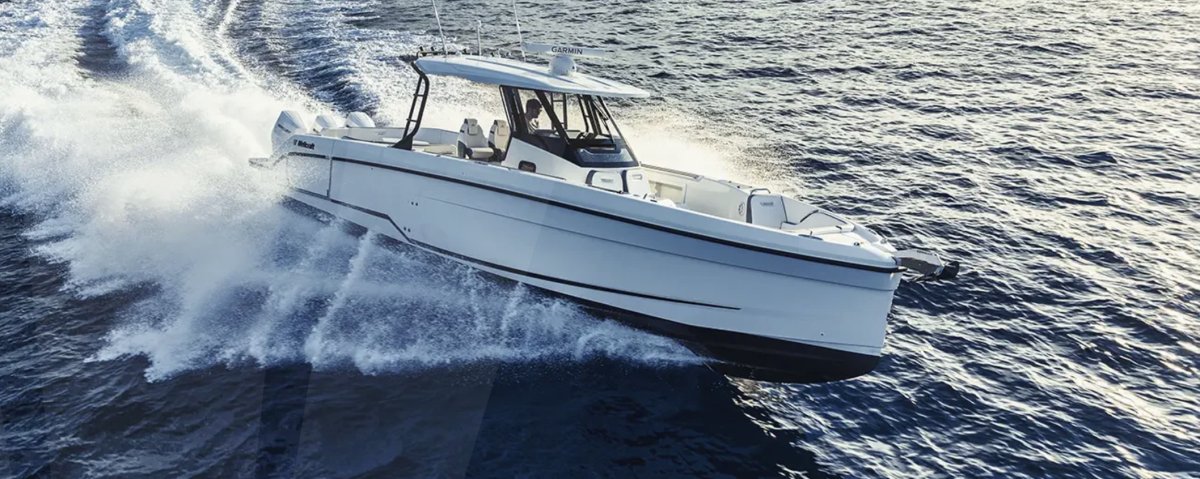
There are days that pass us by like drifting clouds. And then there are days when the thought hits you clearly: I need two outboards, each delivering at least 300 hp, a good solid hull, enough quick reserve power when it matters, proper protection against the sun — all built for warm air and warm waters.
You build your ideal boat in your head based on countless good and bad days at sea, on land, and sometimes even underwater. Then you go online, start searching, and ask yourself: what was the name again? Wellcraft. You look, you read — and yes, this is it.
Wellcraft has carved out a distinctive position in the powerboat segment with practical, robust designs that speak directly to experienced owners who value real-world capability in warmer climates.
This article explores where the brand stands today, its key strengths, target applications, and relevance for professional operators and serious boat owners in the current market.
Section 1 – The Roots of Wellcraft
Wellcraft is an established American boat manufacturer with a long operational history in the recreational and offshore marine segment. The brand developed within the broader evolution of post-war US boatbuilding, where rising demand for durable, mass-producible fiberglass vessels drove a structural shift across the industry.
Key Milestones in Wellcraft’s History
- 1955: Founded in Sarasota, Florida, by Bill Davis and Ed Crafton. The company started with small wooden runabouts and skiffs (12–17 feet), focused on coastal recreation and light offshore use. Early growth was shaped by regional demand and practical manufacturing rather than advanced design programs.
- Early 1960s: Transition to molded fiberglass construction. This industry-wide technological shift brought improved structural consistency, reduced maintenance, greater production scalability, and expanded hull design options. It created the foundation for future growth.
- 1970s: Deeper move into offshore performance boats. Wellcraft adopted Deep-V hull designs strongly associated with naval architect C. Raymond Hunt. These hulls delivered better seakeeping in rough water, improved planing stability, and stronger structural suitability for offshore conditions.
- 1970s–1980s: Launch and rise of the Scarab series. These high-speed offshore boats gained massive public visibility, particularly through the Scarab 38 KV’s prominent role in the TV series Miami Vice, which significantly boosted brand recognition and sales.
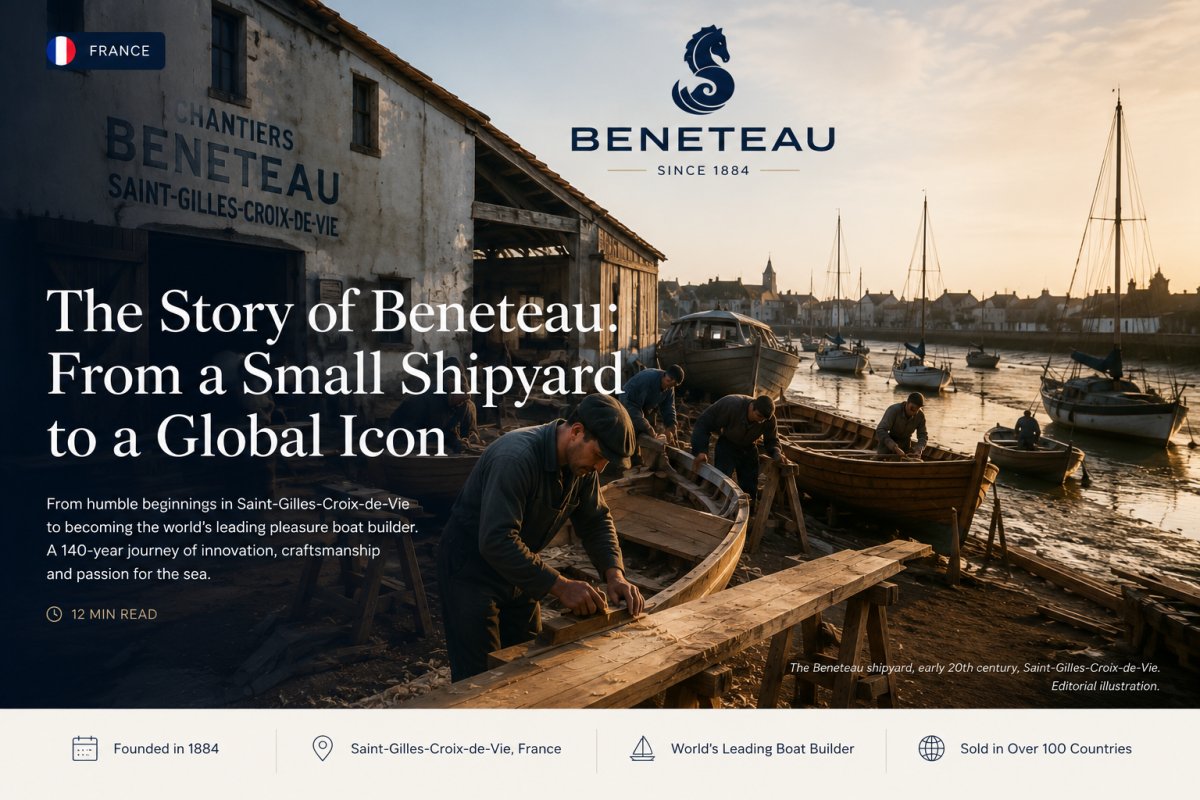
- 2014: Acquisition by Groupe Beneteau. After several previous ownership changes, Wellcraft became part of one of the world’s largest boatbuilding groups. Production is based in Cadillac, Michigan
Today, Wellcraft maintains a clear position in the offshore-capable powerboat segment. The brand focuses on practical performance, durable construction for real-world use, and accessible high-speed boating rather than ultra-luxury applications.
This positioning stays true to the company’s historical emphasis on functional, capable boats built for demanding marine environments — now supported by modern production standards and the resources of a global group.
Wellcraft’s trajectory mirrors that of many successful American marine manufacturers: regional origins, timely adoption of fiberglass technology, participation in the offshore performance wave, cultural visibility through iconic models, and integration into a larger international structure. This heritage continues to shape its relevance for today’s owners and professional operators.
Section 2 – What Made Wellcraft Unique
Wellcraft stood out by successfully bridging high-performance offshore boating with practical series production. Key factors include:
- Performance for the Masses: Translated genuine Deep-V offshore capability into scalable, volume-produced boats — neither pure racing machines nor boutique customs. This democratized real offshore performance.
- Scarab as Cultural Icon: The Scarab series combined offshore racing DNA with bold design and massive media impact, most notably through Miami Vice. It elevated Wellcraft from industry brand to pop-culture name.
- Early Offshore Engineering Focus: While many builders stayed with simple planing or displacement hulls, Wellcraft consistently invested in Deep-V designs for better speed and seakeeping in rough conditions.
- Real-World Usability Over Luxury: Focused on functional, robust, and performance-driven boats built for actual sea conditions rather than superyacht luxury or lifestyle appeal.
- Strategic Sweet Spot: Occupied the ideal middle ground — credible offshore performance that was accessible and affordable, without the complexity or price of high-end custom boats
In short, Wellcraft made serious offshore performance available to a much broader market through scalable, practical series boats.
Section 3 – Wellcraft in 2026: Current Position and Market Reality
Wellcraft operates today as one of Groupe Beneteau’s strategic American brands, focused on practical offshore and coastal powerboats.
Headquarters and Production The brand is headquartered in Cadillac, Michigan. Production has historically taken place at the Cadillac facility. However, in June 2026 Beneteau announced the planned closure of the Cadillac plant in Q3 2026 for certain brands. Wellcraft itself remains a core strategic brand within the group and is expected to continue, though exact future production arrangements are still subject to the group’s restructuring.
Core Products Wellcraft’s current lineup centers on two main series:
- Fisherman Series (center consoles) — ranging from the 202/223 up to the 352, designed for serious fishing and offshore use.
- Explorer Series — larger offshore-capable cruisers such as the 38 Explorer and flagship 44 Explorer.
Recent introductions include the new 28 T-Top / Explorer models and the 243 Fisherman, targeting the important 20–30 ft segment.
Sales and Distribution Wellcraft boats are sold primarily through a dealer network rather than direct sales or brokers. As part of Beneteau’s Dayboating division, the brand benefits from the group’s global dealer infrastructure. Exact annual unit sales for Wellcraft alone are not publicly broken out, but the American brands (including Wellcraft) showed improving performance in late 2025 and are expected to contribute to group growth in 2026.
Target Markets and Growth The primary markets remain North America (especially the US Gulf Coast, Southeast, and Great Lakes) with growing international presence through Beneteau’s network in Europe and other regions. The brand targets serious recreational boaters, coastal fishermen, and owners seeking capable offshore day boats and weekend cruisers in the 20–44 ft range. Growth focus areas include the mid-size center console and explorer-style offshore boats, where Wellcraft can leverage its performance heritage in a recovering market.
Reliable public data on exact employee numbers for the Wellcraft brand alone is limited. The broader Cadillac operation employed several hundred people before the announced restructuring.
In 2026, Wellcraft continues to represent accessible, performance-oriented American powerboats within a major global group — though its manufacturing footprint is undergoing significant change as Beneteau refocuses its US operations.
Section 3 – Competitive Position and Market Reality in 2026
Wellcraft operates in the highly competitive mid-to-upper recreational powerboat segment, particularly in the 20–44 ft offshore and center console categories. The brand occupies a distinct middle-ground position: credible offshore performance at more accessible price points than premium custom or high-end competitors.
Key Competitors
- Boston Whaler, Grady-White, and Scout — direct rivals in the premium center console and fishing boat space, often commanding higher prices with strong brand loyalty and dealer networks.
- Yamaha, Robalo, and Regal — strong in the 20–35 ft range with good value and performance.
- Larger groups (Brunswick brands such as Sea Ray or Mercury-powered boats) — benefit from integrated engine and broader ecosystem advantages.
- European/International players (e.g., Axopar, Jeanneau) — competing in the explorer-style and walkaround segments with modern design and efficient production.
Market Share and Positioning Wellcraft does not hold a dominant market share in any major category. It is a niche-to-mid-tier player known for its heritage in offshore performance rather than volume leadership. The brand’s strength lies in its “sweet spot” positioning: offering genuine Deep-V offshore capability without the extreme pricing of top-tier fishing brands or the basic construction of entry-level builders. This makes it attractive to experienced owners who prioritize seaworthiness and practicality over luxury appointments or cutting-edge technology.
Strengths in the Market
- Strong recognition from the Scarab era and American performance heritage.
- Solid reputation for robust, real-world offshore boats.
- Backing of the Beneteau Group for international distribution and resources.
Challenges
- Limited differentiation in a crowded center console market.
- Ongoing manufacturing transition following Beneteau’s restructuring of US operations.
- Pressure from both lower-cost Asian/European imports and higher-premium American competitors.
In 2026, Wellcraft maintains a clear identity as a performance-oriented, no-nonsense American brand for serious coastal and offshore use. It competes effectively in the mid-performance segment but lacks the volume scale of market leaders or the ultra-premium cachet of top-tier names. Its future success will depend on leveraging new models (such as the 28 series and updated Fisherman line) and Beneteau’s global network to defend and gradually expand its niche.
Section 4 – Product Strategy and Market Approach in 2026
Wellcraft’s current strategy under Beneteau ownership is clear and focused: concentrate on practical, offshore-capable powerboats in the 20–44 ft range while avoiding direct confrontation with ultra-premium or high-volume mass-market players.
The product portfolio is built around two complementary pillars:
- Fisherman Series (center consoles): The core volume driver, ranging from the compact 202/223 to the larger 352. These boats target serious coastal and offshore fishing with robust construction, good range, and practical layouts.
- Explorer Series: Larger, more versatile offshore cruisers (38 and 44 ft) aimed at owners who want a capable long-range day boat or weekender with better accommodation and rough-water performance.
Strategic Direction Wellcraft is betting on the growing demand for “do-it-all” offshore boats that combine fishing capability with family cruising comfort. Recent launches such as the 28 T-Top/Explorer and the 243 Fisherman show a clear push into the popular 23–30 ft segment, where much of the market volume and replacement demand lies. The brand is emphasizing bold design, strong character, and real offshore performance while keeping pricing and complexity accessible.
This approach makes strategic sense in the current market: it avoids the saturated ultra-luxury end and the extreme price competition at the low end. Instead, Wellcraft occupies the profitable middle where experienced buyers are willing to pay for seaworthiness and heritage without paying superyacht premiums.
Why this section comes next After understanding the brand’s DNA, historical differentiation, and current market positioning, decision-makers need to know exactly what Wellcraft sells today and where it is heading. For CEOs, investors, shipyards, and dealers, the product strategy and its execution are the most critical factors determining future success, profitability, and competitive resilience.
Wellcraft’s path forward is pragmatic: leverage its performance heritage, use Beneteau’s global resources for distribution and development, and focus on a focused, high-value range rather than chasing breadth. Whether this focused approach can deliver meaningful growth in a consolidating and cyclical market will define the brand’s next chapter.
Section 5 – Opportunities for Brokers and Dealers
Wellcraft represents a strategically relevant addition to a balanced dealer or brokerage portfolio in 2026 — especially for operators who focus on experienced offshore and coastal buyers rather than pure entry-level volume business.
The brand performs best where customers prioritize real-world capability, reliability, and heritage over aggressive price competition or luxury image.
Dealer & Broker Value Proposition
Wellcraft operates in the commercially attractive middle segment of the market. This typically delivers healthier margins than entry-level volume brands while allowing more defensible pricing based on genuine offshore performance and proven heritage. Dealers can justify the investment to customers who want capable boats without paying ultra-premium prices.
The brand offers a clear and credible sales story: authentic Deep-V offshore DNA, strong seakeeping characteristics, and practical, no-nonsense usability. This narrative resonates particularly well with serious boaters who value function over lifestyle branding.
Wellcraft also supports repeat business. Many owners progress within the lineup — from smaller Fisherman models into larger Explorer variants — which creates opportunities for upgrade sales, service relationships, and long-term client retention.
With a relatively focused portfolio, especially in the popular 23–30 ft range, the line is operationally manageable. It is easier to demonstrate, stock, and rotate than many highly fragmented competitor offerings, which helps control inventory risk and improves sales efficiency.
Thanks to Groupe Beneteau’s global network, Wellcraft also offers growing potential beyond traditional US markets, giving international dealers and brokers better access and support.
Portfolio Recommendation
Wellcraft is a strong fit for dealers and brokers who serve serious offshore and coastal customers, maintain solid aftersales capabilities, and operate in regions with real usage demand.
It is less suitable for pure high-volume, low-margin operations, ultra-luxury focused brokerages, or entry-level volume dealers.
Bottom Line
Wellcraft will rarely be a dealer’s biggest volume driver, but it can be a reliable margin contributor with strong customer credibility in the offshore segment. In today’s consolidating and polarized market, it provides a stable, heritage-backed line that strengthens portfolio depth and builds long-term trust.
For many professional brokers and dealers in 2026, keeping Wellcraft in the portfolio remains a rational and commercially sound decision.
Conclusion
Love it or not, the Wellcraft legend is still alive.
You can say what you want about market shifts, changing tastes, or manufacturing transitions — but when someone genuinely wants a solid, capable offshore boat that is built for real conditions rather than just looking good at the dock, Wellcraft remains a name worth considering.
The brand has kept its core strength: honest performance, robust construction, and practical seaworthiness at a price that experienced boaters can justify. In a world full of lifestyle boats and marketing hype, that still matters.
The earth is big. There are many waters, many use cases, and many owners who simply want a boat they can trust when the conditions get serious. For them, Wellcraft continues to offer a clear and credible choice.
Final Takeaway: Wellcraft may never again be the volume king of the American powerboat market, but it doesn’t need to be. By staying true to its offshore roots and focusing on what it does best, the brand keeps its place as a respected, authentic player in the global marine industry.
For those who know what they want on the water, the Wellcraft story is far from over.
----
Disclaimer
This article is an independent analysis based on publicly available information and industry research. It was not sponsored or commissioned by Wellcraft, Groupe Beneteau, or any affiliated company. All opinions and conclusions are those of the author.
---------------------------------------------------------------
Thank You for Reading
Thank you for reading this article.
We're real people who love boats, the marine industry, and the stories behind them.
What would you like to read about next?
Tell us which boats, brands, marinas, destinations, companies, or marine industry topics you would like us to cover.
At GlobalBoats.World, our mission is simple: to help boat owners, brokers, dealers, marinas, manufacturers, and marine businesses grow, connect, and succeed.
Share your ideas, leave a comment, and let us know how we can create even more valuable content for you.
Fair winds,