








The Explorer Yacht Revolution Is Reshaping the Global Luxury Marine Market
The global yacht industry is entering a new strategic phase. While classic superyachts continue to dominate traditional luxury hubs such as Monaco, Miami, and Saint-Tropez, a different category is rapidly gaining momentum among American Ultra High Net Worth Individuals: the explorer yacht.
For brokers, dealers, producers, and shipyards, this development is becoming commercially significant because the explorer segment is no longer a niche for a small group of adventurers. It is evolving into one of the fastest-growing premium yacht categories worldwide.
Industry analysts from BOAT International and SuperYacht Times continue to report strong order activity in the expedition and explorer segment, particularly between 30 and 80 meters. Demand accelerated further after the pandemic as buyer behavior shifted away from purely status-oriented ownership toward mobility, autonomy, privacy, and long-range global cruising.
The numbers behind the market are becoming increasingly important. According to the 2025 Knight Frank Wealth Report, the United States remains home to the world’s largest concentration of UHNW individuals. At the same time, younger buyers from technology, private equity, finance, and entrepreneurship are entering the market with fundamentally different expectations from previous generations of yacht owners.
Traditional superyachts were often designed around Mediterranean social visibility. Explorer yachts are designed around freedom.
That distinction changes everything.
What Actually Makes an Explorer Yacht Different?
An explorer yacht is not simply a luxury yacht with rugged styling. The entire operational philosophy is different.
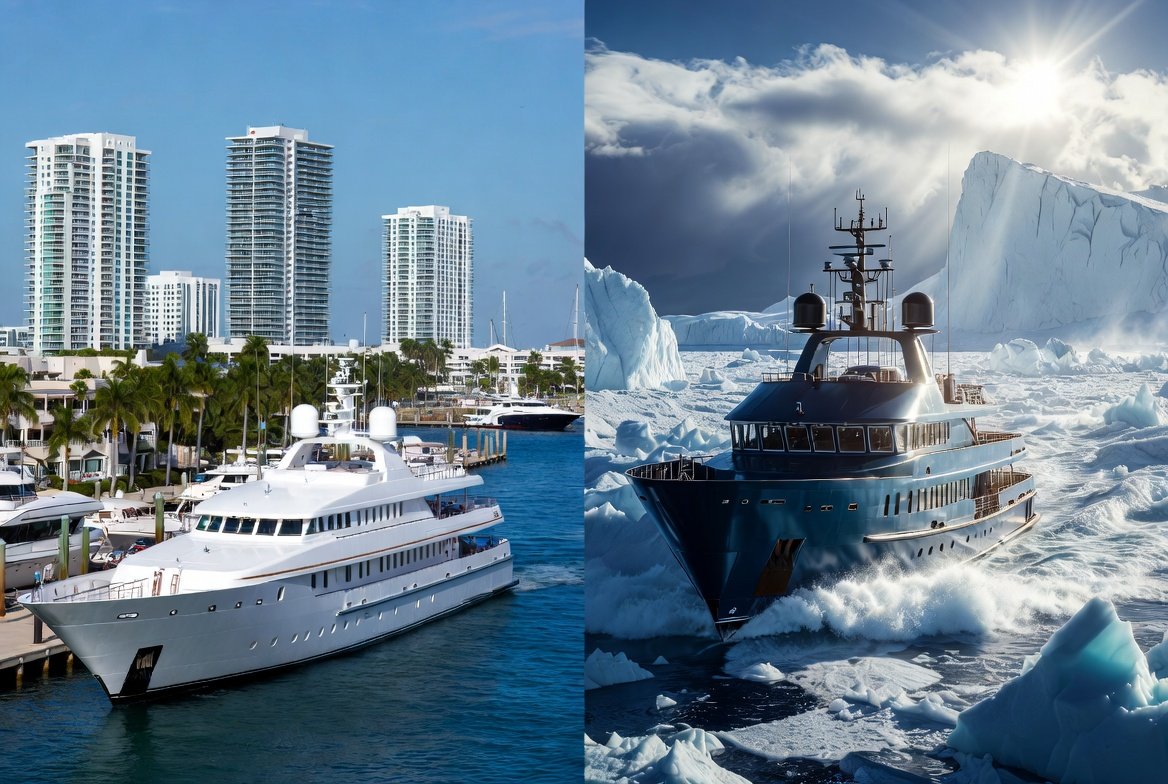
Traditional luxury yachts are generally optimized for marina-based lifestyles, shorter cruising distances, high-speed coastal movement, and seasonal entertainment. Explorer yachts are engineered for endurance, self-sufficiency, ocean-crossing capability, and access to remote regions.
This changes both the technical architecture and the buyer psychology.
Explorer yachts typically feature steel hulls instead of lightweight fiberglass construction, significantly larger fuel capacities, reinforced engineering systems, higher cruising ranges, oversized storage areas, advanced stabilization systems, and support for helicopters, submarines, tenders, dive centers, or scientific equipment.
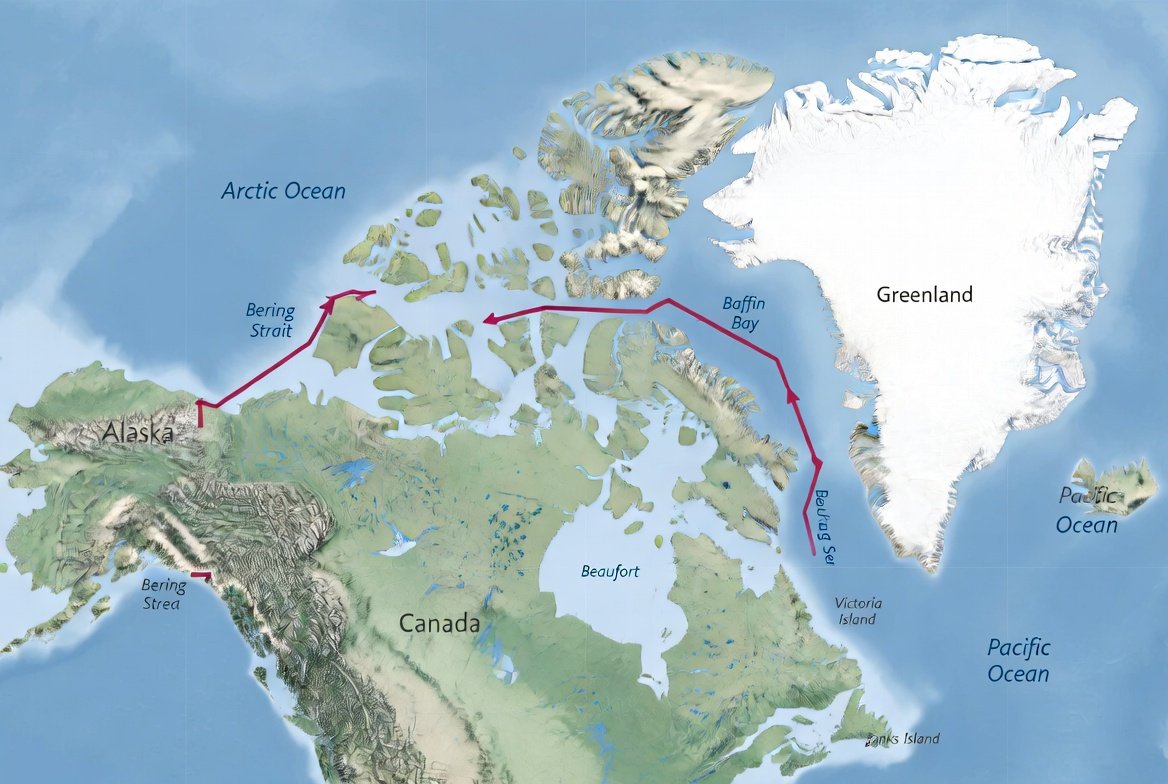
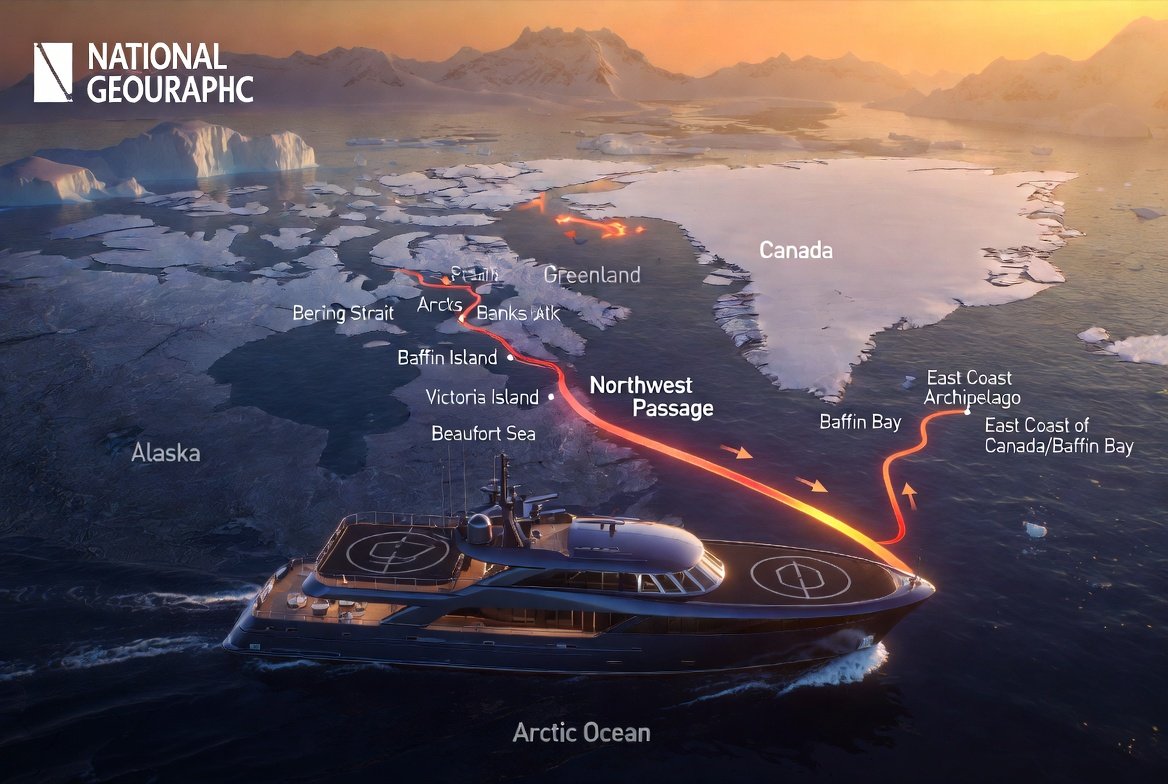
Some larger expedition platforms can cruise thousands of nautical miles without refueling. Ice-class certifications are becoming increasingly common as buyers show interest in Greenland, Alaska, Antarctica, Norway, Iceland, and Arctic cruising routes.
The lifestyle positioning is equally important. Explorer yacht owners increasingly want experiences instead of static luxury. They want to reach remote destinations, cross oceans independently, spend extended periods onboard, and operate globally without depending heavily on marina infrastructure.
The yacht becomes less of a floating hotel and more of a private global mobility platform.
That shift is one of the most important structural changes currently happening in the marine industry.
The Builders Dominating the Explorer Yacht Market
One of the most important questions for brokers and buyers entering the segment is straightforward: who actually builds the world’s leading explorer yachts?
The market is currently led by a relatively concentrated group of highly specialized shipyards, most of them located in Europe.
Cantiere delle Marche has become one of the dominant names in the mid-size explorer category. The Italian yard built a global reputation around steel expedition platforms between roughly 26 and 50 meters. Its Darwin Class, Flexplorer, RJ, and Acciaio models are particularly popular among American buyers because they combine commercial-grade robustness with Italian design sophistication. CdM benefits from one of the strongest reputations in the market for seaworthiness and reliability, two factors increasingly valued by long-range owners.
Damen Yachting occupies a different segment of the market. Damen originates from commercial shipbuilding and transferred that engineering DNA directly into luxury expedition platforms. Its Xplorer series became globally recognized for combining industrial capability with ultra-luxury living spaces. Some of these vessels include helicopter hangars, support yacht integration, massive toy storage systems, and operational ranges designed for global expeditions. For billionaire-level buyers, Damen increasingly represents capability, resilience, and engineering credibility.
Sanlorenzo successfully positioned itself between traditional luxury and expedition functionality. Its successful 460EXP and 500EXP series attracted buyers who wanted exploration capability without sacrificing sophisticated interiors and high-end hospitality environments. This balance resonates strongly with American buyers transitioning from classic superyachts into the explorer category.
Nordhavn remains one of the most respected long-range cruising brands in the United States. Unlike many European luxury-focused builders, Nordhavn built its reputation around real transoceanic performance. The company has a particularly loyal customer base among experienced owner-operators and UHNW individuals seeking authenticity rather than display-oriented ownership. Many Nordhavn buyers value engineering simplicity, fuel efficiency, and global reliability over visual extravagance.
Bering Yachts has emerged rapidly as a highly competitive player by offering steel explorer platforms with comparatively aggressive pricing. The company performs particularly well among buyers seeking expedition capability and large-volume interiors without Northern European cost structures. Its strong U.S. presence significantly accelerated growth among American buyers.
Additional players such as Feadship, Rossinavi, Nobiskrug, and Vard are increasingly active in highly customized expedition projects for UHNW and billionaire clients.
Why American Buyers Are Driving the Segment
The rise of explorer yachts is deeply connected to broader changes in global wealth behavior.
A younger generation of wealthy Americans increasingly values mobility, operational freedom, experiential luxury, and privacy. Many no longer aspire to remain permanently tied to Mediterranean marina culture or seasonal social circuits.
Instead, they seek flexibility.
This is particularly visible among technology founders, investment managers, digital entrepreneurs, and globally mobile family offices. Many of these buyers are accustomed to private aviation, remote work structures, international travel, and highly autonomous lifestyles. Explorer yachts fit naturally into this mindset.
There is also a growing geopolitical dimension. Private mobility, operational independence, and global flexibility have become more psychologically important among UHNW individuals during the last five years. Explorer yachts align directly with these priorities.
At the same time, social media and documentary exposure significantly increased interest in remote cruising destinations. Locations such as Greenland, Patagonia, Alaska, Norway, Antarctica, Iceland, and the South Pacific increasingly influence buying behavior.
The explorer yacht market is therefore benefiting simultaneously from emotional, operational, and structural macro trends.
What This Means Commercially for Brokers and Producers
For brokers and dealers, the explorer segment requires a completely different level of expertise compared to traditional yacht sales.
Explorer buyers are often highly analytical. They ask detailed technical questions regarding fuel systems, stabilization, steel hull maintenance, range calculations, support logistics, hybrid propulsion systems, and ice-class certifications.
The sales process becomes more consultative and operational.
Brokers who deeply understand shipyard positioning gain a major competitive advantage. Buyers increasingly expect brokers to explain which shipyard fits their intended lifestyle and operational philosophy. A buyer interested in Arctic capability has very different requirements from a buyer primarily seeking Pacific island exploration or long-range family cruising.
For producers and shipyards, the commercial opportunities are substantial. Demand for hybrid propulsion, sustainable onboard systems, larger toy garages, helicopter integration, and expedition-grade engineering continues to accelerate. Some shipyards already report multi-year order books in the explorer segment.
The market is also structurally attractive because explorer buyers often purchase larger vessels, request extensive customization, and generate significant aftermarket business in refits, upgrades, logistics, support services, and operational management.
The Explorer Market Is Still Early
Perhaps the most important insight for the global marine industry is that the explorer trend still appears to be in an early growth phase.
The segment aligns almost perfectly with the long-term direction of modern UHNW lifestyles: global mobility, autonomy, remote experiences, privacy, operational resilience, and experiential ownership.
For GlobalBoats, brokers, dealers, and yacht producers, this is not simply another temporary luxury trend.
It increasingly looks like one of the defining structural shifts of modern premium yachting.
The companies that understand this evolution early — and position themselves accordingly — may capture some of the most valuable buyers of the next decade.
Read more:
Why Explorer Yachts Are Booming in the U.S.
Who Builds the World’s Explorer Yachts
Explorer Yacht Opportunities for Brokers
The Complete Explorer Yacht Buying Guide
The Northwest Passage by Explorer Yacht
The New Era of Polar Explorer Yachts
How Brokers Profit From Explorer Yachts
globalboats.world 2026