








Why Azzam Uses Multiple Engine Types
The propulsion architecture of Azzam exists because a single propulsion technology cannot efficiently satisfy all operational requirements of a 180-meter ultra-high-speed yacht.
The engineering problem was:
Build one of the world’s largest yachts while still achieving military-like speed characteristics.
That creates conflicting requirements:
RequirementEngineering ConflictHigh top speedRequires enormous peak powerLong cruising rangeRequires fuel efficiencyLow vibration/noiseConflicts with turbine operationReliabilityRequires redundancyManeuverabilityDifficult at 180m scaleShallow-water operationLimits conventional propeller design
The solution was a hybrid propulsion architecture.
Core Propulsion Architecture
Azzam reportedly uses:
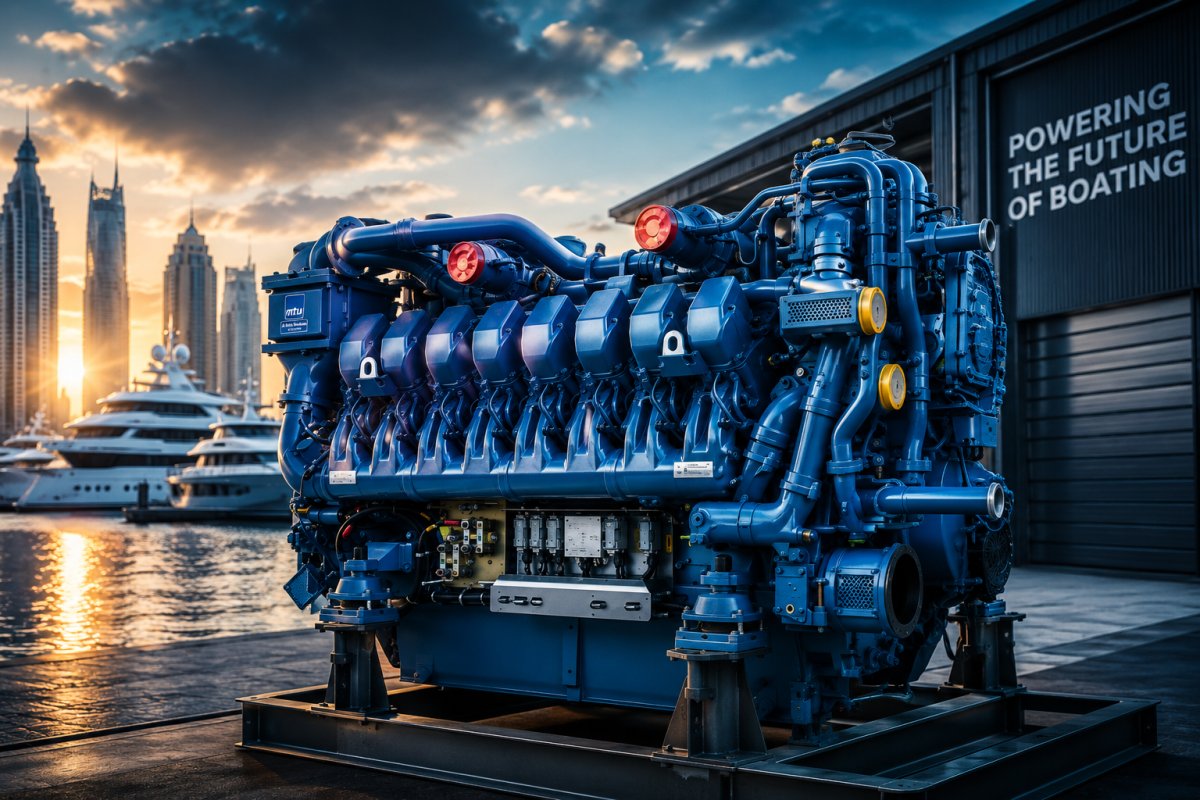
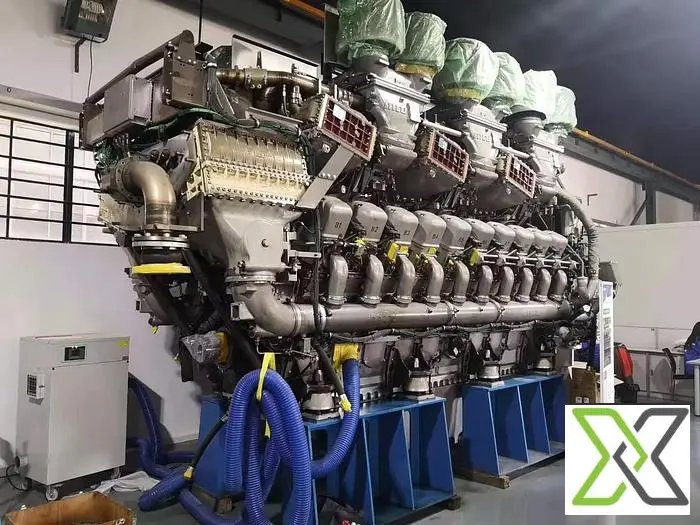
2 × MTU diesel engines
2 × GE LM2500 gas turbines
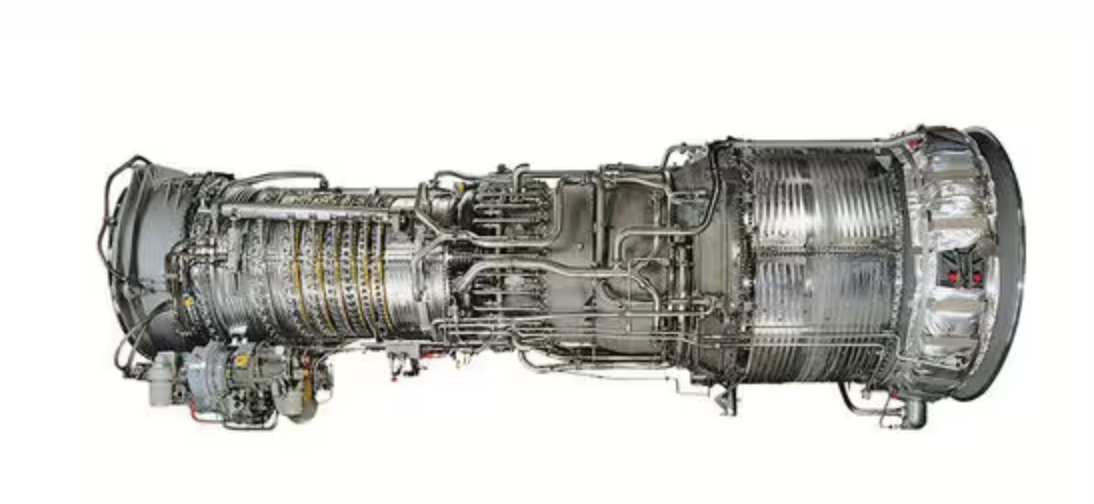
Advanced waterjet propulsion system
This is essentially a CODAG/WARP-style naval propulsion philosophy adapted for civilian superyacht use.
(CODAG = Combined Diesel And Gas)
Why Diesel Engines Are Needed
The diesel engines handle:
economical cruising
long-distance range
lower-speed operation
fuel-efficient transit
hotel electrical stability
redundancy
Diesel Advantages
1. Fuel Efficiency
Diesel engines are dramatically more efficient during:
low-speed cruising
long-range passages
steady-state operation
Gas turbines are extremely inefficient at partial load.
Without diesels, operating costs would become irrational even at billionaire scale.
2. Reliability
Marine diesels:
can run continuously for long durations
have proven maritime reliability
are easier to maintain globally
tolerate variable operating conditions
For ocean-crossing capability, diesel propulsion remains essential.
3. Lower Acoustic Signature
Luxury yachts require:
low vibration
reduced cabin noise
smooth cruising behavior
Diesels operating at optimized RPM are quieter and more stable for passenger comfort than turbines at continuous high output.
Why Gas Turbines Are Needed
The GE LM2500 turbines exist for one reason:
Peak Power Density
Azzam’s speed target (>30 knots) is extremely difficult at 180 meters.
A conventional diesel-only architecture would require:
much larger machinery spaces
enormous engine mass
excessive shaft loading
lower acceleration performance
Gas turbines solve this.
Turbine Advantages
1. Massive Power in Small Volume
Gas turbines generate extremely high horsepower relative to their size and weight.
This allows:
higher top speed
better acceleration
lower machinery footprint
improved hull packaging
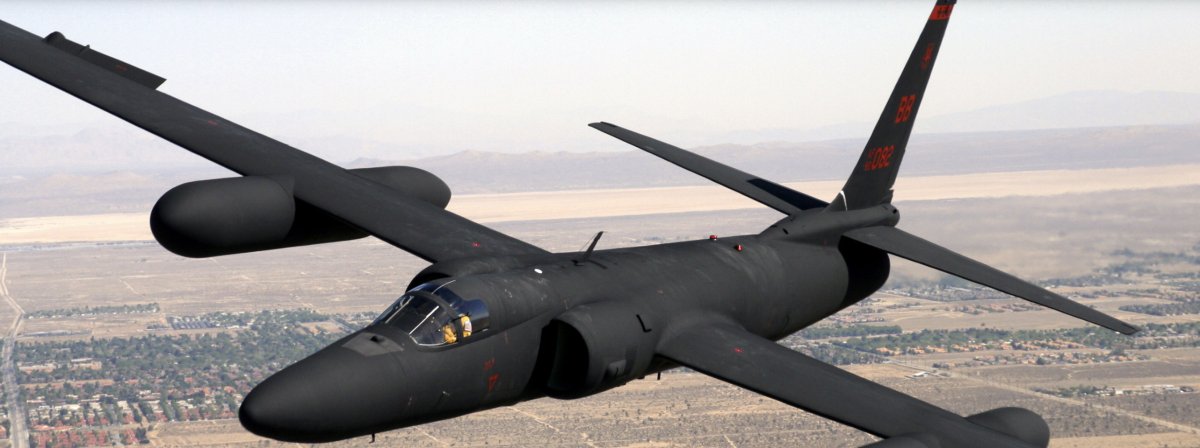
The LM2500 is derived from aerospace technology and widely used in naval vessels.
2. Sprint Capability
Turbines are ideal for:
temporary high-speed operation
rapid acceleration
maximum-output phases
They are effectively “boost engines.”
Azzam does not need turbines running continuously during standard cruising.
3. Weight Reduction
At this scale:
every ton matters
machinery weight affects stability
hull dynamics become critical
Gas turbines produce superior power-to-weight ratios versus marine diesels.
Why Waterjets Instead of Conventional Propellers
This is one of the most important engineering decisions.
Conventional Propeller Limitation
At very high speeds:
cavitation increases
vibration rises
efficiency drops
propeller diameter becomes problematic
For a yacht targeting >30 knots at 180m, large conventional propellers become increasingly inefficient.
Waterjet Advantages
1. High-Speed Efficiency
Waterjets become advantageous at:
high-speed planing regimes
extreme propulsion loads
fast maneuvering
They reduce cavitation effects at speed.
2. Shallow Draft Capability
Azzam reportedly required operation in relatively shallow Gulf waters.
Waterjets allow:
reduced underwater appendages
lower draft sensitivity
safer shallow-water operation
3. Reduced Vibration
Critical for luxury applications.
Waterjets produce:
smoother ride characteristics
lower transmitted vibration
quieter passenger experience
4. Maneuverability
Waterjets allow:
vector thrust control
tighter maneuvering
improved port handling
Important for a vessel of this scale.
Why This System Is Technically Unusual
Most superyachts optimize for:
comfort
interior volume
efficiency
Azzam optimized simultaneously for:
extreme speed
massive scale
luxury comfort
shallow-water capability
low vibration
transoceanic range
That combination is extraordinarily difficult.
The propulsion architecture resembles:
naval engineering
military fast-response ships
advanced maritime defense platforms
more than traditional yacht engineering.
Estimated Operational Characteristics
ParameterEstimateTotal power~94,000 HPTop speed30–34 knotsFuel burn at max speedup to ~13 tons/hourPrimary cruise modedieselSprint modediesel + turbinesPropulsion typewaterjets
Engineering Conclusion
Azzam’s propulsion system is essentially a compromise optimizer between:
speed
luxury
range
acoustic comfort
hull efficiency
shallow-water operation
machinery footprint
No single engine technology could achieve all of those goals simultaneously.
That is why the yacht uses:
diesel engines for efficiency and endurance
gas turbines for extreme peak power
waterjets for high-speed hydrodynamic performance
The result remains one of the most sophisticated civilian marine propulsion systems ever built.