








Aircraft Carriers as Floating Data Centers: Solving AI’s Power Crisis at Sea
Aircraft Carriers and Floating Data Centers: The Maritime Solution to AI’s Power Crisis
In 2026, electricity has become the most critical bottleneck for the AI revolution. While demand for computing power surges, up to 50% of planned data center projects face multi-year delays due to grid constraints, with interconnection queues stretching 3 to 7 years in key markets. xAI’s Colossus demonstrated what is possible when barriers are removed — building the world’s largest AI cluster in just 122 days. This speed is nearly impossible on land, where outdated grids, permitting delays, and power purchase agreements create insurmountable hurdles.
This is exactly why visionary players in the maritime industry are stepping in with elegant, high-impact solutions.
MOL’s Strategic Move into Floating Data Centers
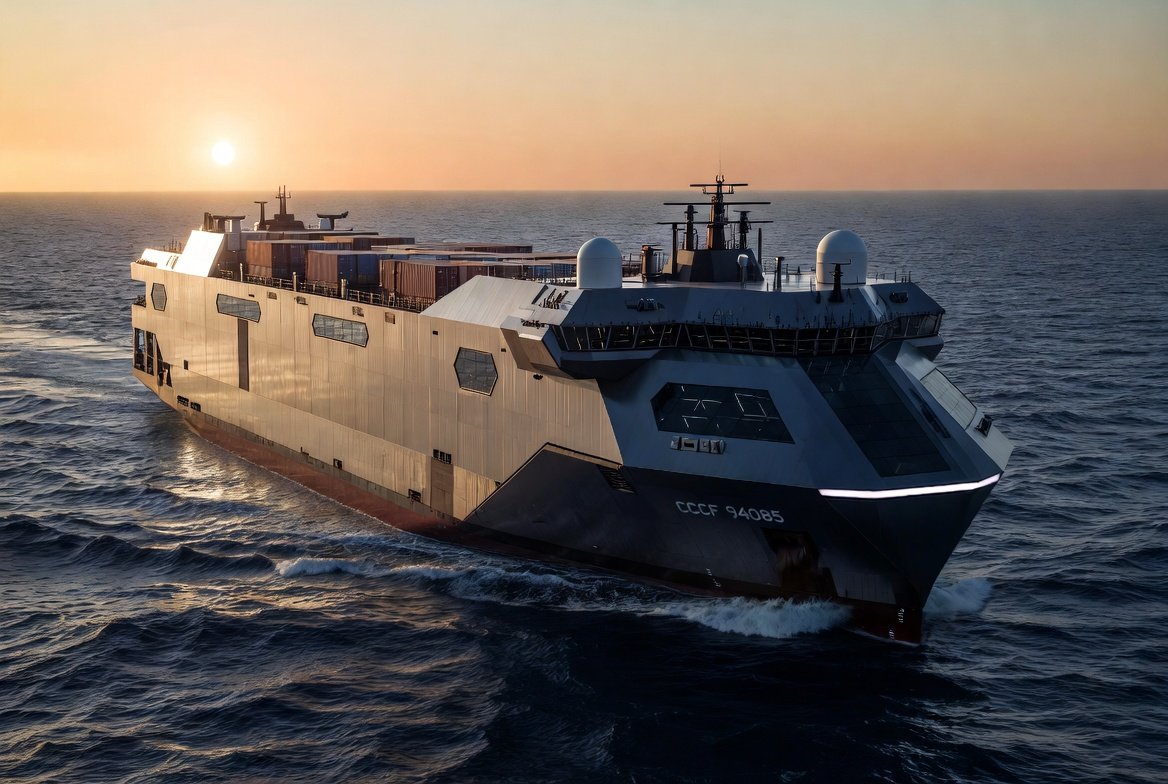
Japanese shipping giant Mitsui O.S.K. Lines (MOL) has emerged as a leader in this space. In 2025 and 2026, MOL signed major partnerships with Kinetics (part of Karpowership) and Hitachi/Hitachi Systems to convert existing vessels into Floating Data Centers (FDCs). Their ambitious goal: deliver commercial operations as early as 2027.
Why is MOL entering this market so decisively? The growth opportunity is enormous. Global data center demand, driven by generative AI, is exploding, but traditional land-based development struggles with land scarcity, lengthy construction timelines (often 4–7 years), and severe power and cooling limitations. MOL’s approach — repurposing second-hand vessels, particularly car carriers with vast multi-deck space — offers a faster, more sustainable, and more flexible alternative.
These floating data centers provide:
- Construction in about one year — up to three years faster than conventional projects.
- Immediate access to seawater cooling, dramatically lowering Power Usage Effectiveness (PUE) and operational costs.
- No need for large land acquisition or complex grid interconnections.
- Mobility — platforms can be deployed where demand and energy conditions are optimal and relocated as needed.
- Significant cost and environmental advantages through reuse of existing hulls and ship systems.
MOL is perfectly positioned to capitalize on this. The company has deep expertise in vessel conversion, port coordination, and maritime operations, making the transition both practical and scalable.
The Massive Opportunity for the Marine Industry
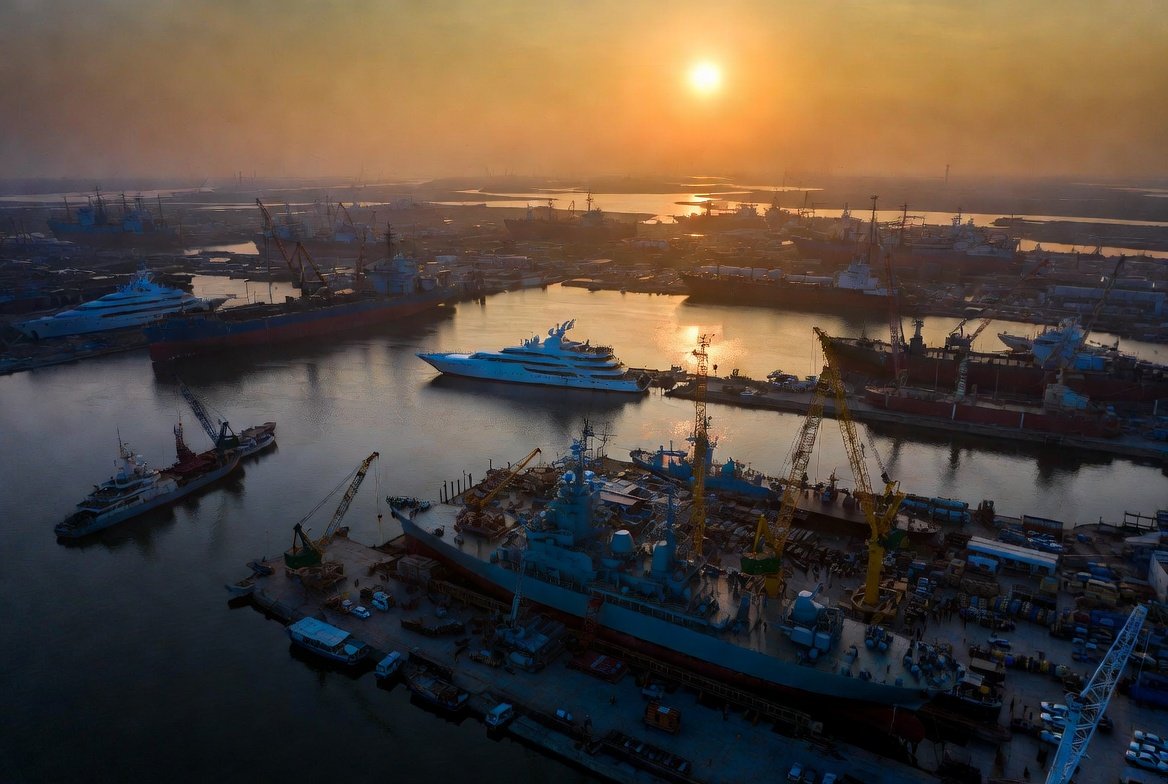
The shift toward floating data centers represents a transformative new revenue stream for the entire maritime sector. Shipping companies like MOL can extend the economic life of aging vessels, turning potential scrap value into high-margin digital infrastructure assets. Shipyards gain new conversion projects, while maritime engineering firms, power providers, and port authorities open entirely new business lines.
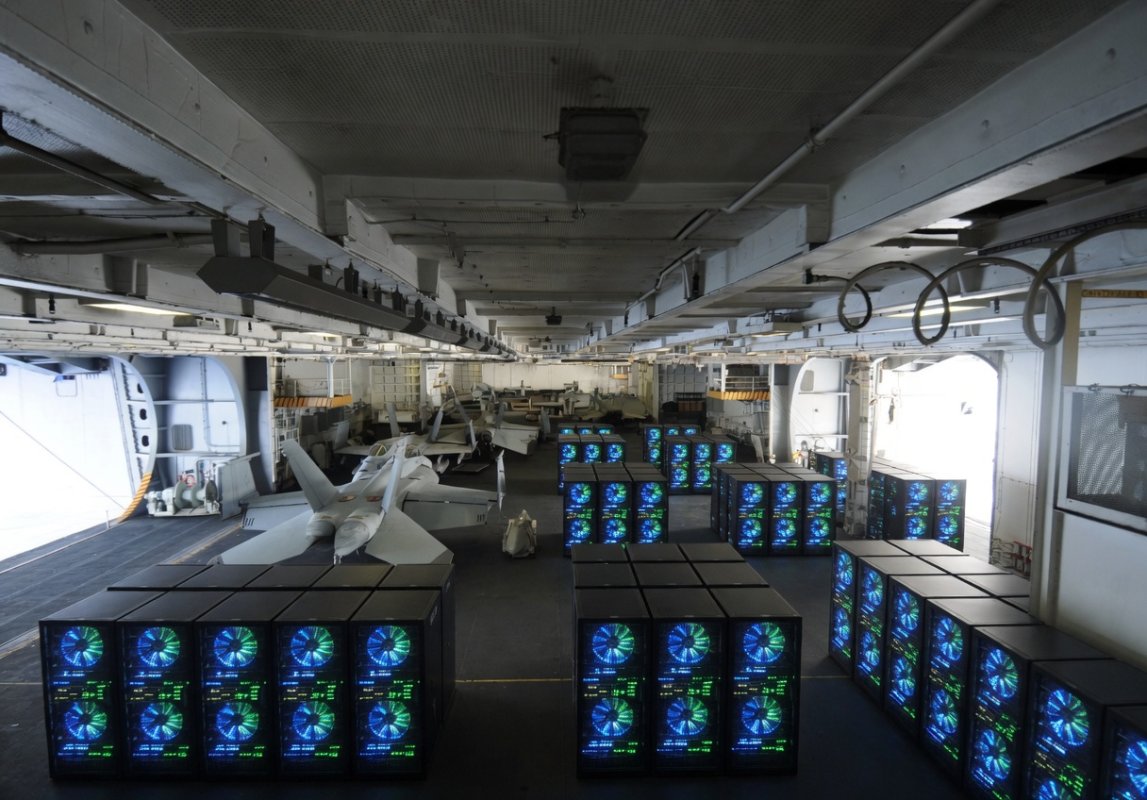
Aircraft carriers and large commercial vessels offer even greater potential. Retired carriers such as the USS Hornet in Alameda already possess enormous internal volume, robust infrastructure, and direct ocean access for superior cooling. A nuclear-powered carrier could deliver hundreds of megawatts of reliable power — enough to support massive GPU clusters — while operating outside congested terrestrial grids.
A Bright Floating Future
By combining maritime expertise with cutting-edge data center technology, MOL and its partners are not just solving today’s power and infrastructure bottlenecks — they are pioneering a new paradigm for AI infrastructure. This model delivers speed, sustainability, flexibility, and scalability that land-based projects struggle to match.
As energy traders and brokers begin treating electricity as a truly mobile global commodity, floating data centers positioned at sea could become the ultimate expression of infrastructure agility.
The AI revolution demands bold thinking. Thanks to forward-looking companies in the maritime industry, the future of computing may not be anchored to overstressed land grids — it may sail instead.