

Salvage Yachts & Boats: How to Win Big (and Why Most People Lose)
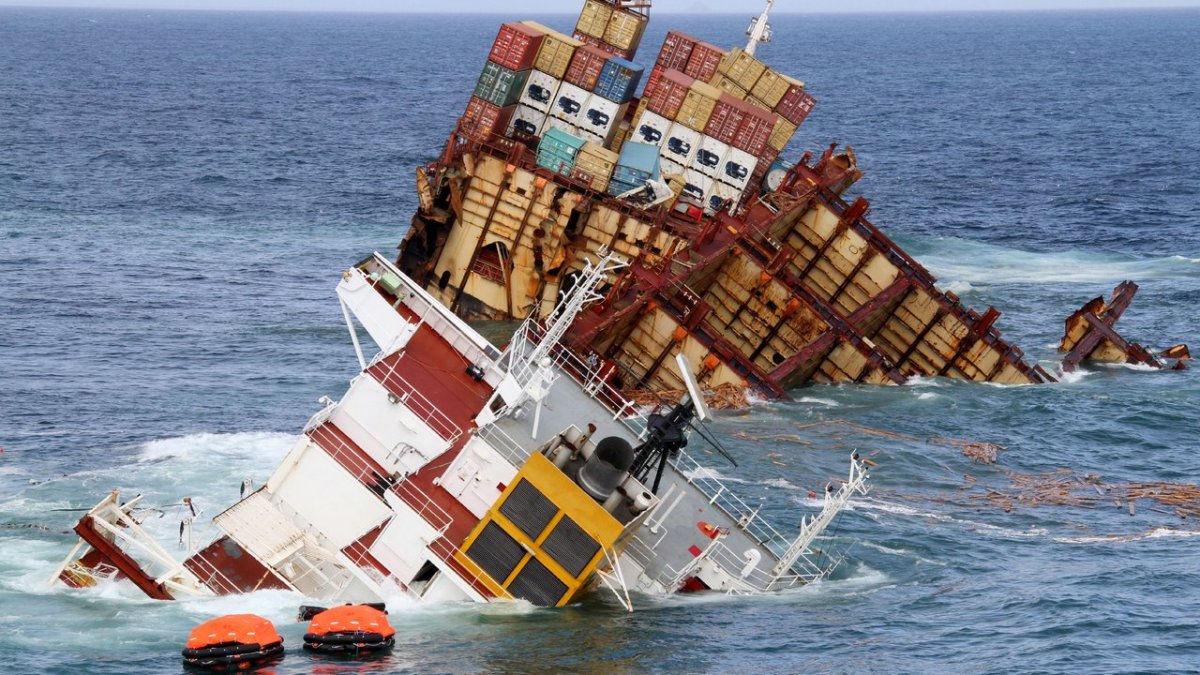
Storms, hurricanes — we love them all.
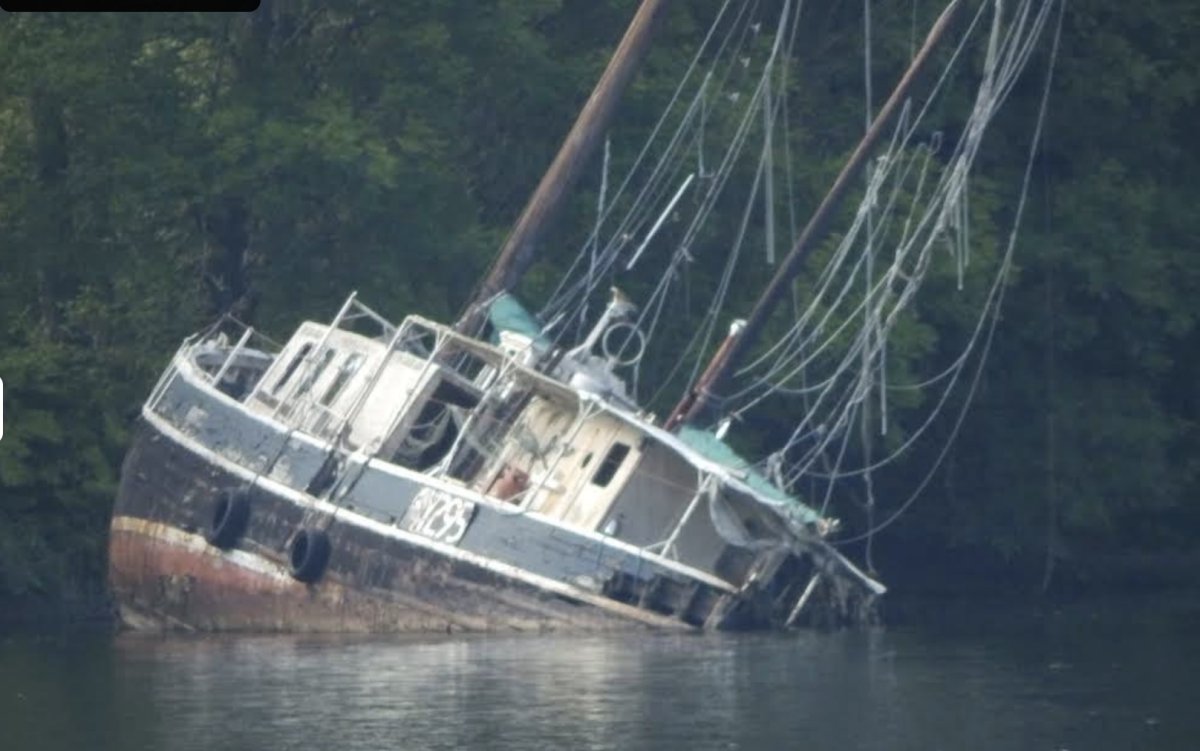
Because they bring us boats, yachts, spare parts, and opportunities. We can buy catamarans, yachts, and vessels for cheap. The insurance companies stamp them as Salvage because the repair costs are higher than the boat’s value.
But here’s the thing: all the hype, blood, sweat, and tears are not always a big deal — really.
Have you ever rebuilt a boat? No matter which one, 90% of the projects I see are more from the land of dreams than actual return and profit. (The Boat Guy YouTuber is an exception because he repairs engines.)
Now let’s get real: Most rebuild projects don’t count the owner’s own working hours. If they did, it would often be cheaper to crush the vessel, order 200 cocktails at the next bar, and invest the saved money in Vanguard stocks.
You don’t believe me?
As always on GlobalBoats — now let’s look at the numbers.
Be Careful with Salvage Boats – It’s Possible, But Only on Your Terms
Yes, buying and rebuilding a salvage vessel is possible. But it’s not the easy money dream many people imagine.
It works if you have plenty of time, if you know how to tackle the deal properly, and if you’re honest about your own skills and resources. And yes — it definitely helps if you still have that dream in your head, because you’re going to need it.
The truth is simple: Salvage boats can be incredible opportunities, but they punish beginners and dreamers who underestimate the work. Hidden damage, surprise structural problems, electrical nightmares, and endless hours of labor are the reality. Most people only see the cheap purchase price and forget to calculate their own blood, sweat, and weekends for the next 12–24 months.
This section is not here to scare you away. It’s here to make sure you go in with open eyes. Salvage boats reward those who are patient, mechanically skilled (or willing to learn fast), well-organized, and realistic about money and time. If you tick those boxes, you can end up with a fantastic boat for a fraction of the normal price.
If not? You risk turning a bargain into an expensive, frustrating, and very slow-moving project that sits half-finished in the yard.
In the next sections we’ll break down exactly what you need to succeed — and what mistakes to avoid at all costs.
The Hard Numbers Behind Salvage Boats – What the Data Really Shows
Let’s cut through the hype with cold, provable facts.
Salvage vessels are regularly sold at 20–60% below the value of comparable undamaged boats. Auction platforms and liquidators often list hurricane-damaged yachts and catamarans with opening bids as low as a few thousand dollars — sometimes even starting at $1. Many buyers walk away with significant initial discounts.
However, the real picture emerges when you add everything up:
- Repair costs frequently eat up most or all of the savings. Real-world examples show buyers spending as much (or more) on repairs as the original purchase price — especially with structural, saltwater, or electrical damage. Many projects end in a net loss once labour, parts, surveys, transport, and yard time are counted.
- Salvage/rebuilt titles create lasting problems: Financing is extremely difficult or impossible, insurance is more expensive or limited (often liability-only), and resale value drops significantly. A rebuilt boat almost always sells for less than a clean-title equivalent.
- Time investment is massive. Most private rebuilders do not value their own hours. When they do, many projects would have been cheaper to skip entirely. Professional boat flippers and experienced builders sometimes succeed, but the majority of amateur attempts result in frustration and financial disappointment.
Success stories exist — especially when buyers are mechanically skilled, buy very cheap, and keep the boat long-term. But statistics and real accounts show that most salvage rebuilds do not deliver strong returns when all costs (including time) are included. Many boats end up parted out for components rather than returned to service.
Bottom line for this section: Yes, you can find real bargains. But the numbers prove that salvage boats are high-risk, high-effort projects. They reward preparation, experience, and realism — and punish optimism without a solid plan.
Final Reality Check: Should You Buy a Salvage Vessel?
Storms and hurricanes will keep delivering cheap boats, yachts, and catamarans. The insurance industry will keep stamping them as Salvage. And the dream of a bargain project boat will always tempt people.
But after looking at the real numbers and hundreds of real-world cases, here is the clear GlobalBoats verdict:
Yes — it is possible. You can succeed if you have plenty of time, solid skills (or the budget to pay professionals), a disciplined approach to the deal, and realistic expectations. A few skilled builders and YouTubers prove it can be done profitably or at least satisfyingly.
But for most people? The data shows it rarely works out as a smart financial decision. Hidden damage, endless hours, title problems, higher insurance costs, and lower resale value turn many “deals” into expensive hobbies. When you finally count your own labour at a fair rate, crushing the boat and investing the money elsewhere often beats the rebuild.
Our advice is simple:
- Treat every salvage boat with extreme caution.
- Always get a professional marine survey before you bid.
- Calculate all costs — including your time.
- Only pull the trigger if you truly love the process and accept that it might cost more than a clean used boat in the end.
Salvage vessels are not a shortcut to cheap boating. They are a high-risk, high-reward path for those who know exactly what they’re getting into.
Dream big — but audit harder.
Storms will keep delivering cheap boats. The dream will always tempt people. But the data is clear: Salvage vessels are high-risk, high-effort projects. They reward the prepared and realistic — and punish the rest.
Our final advice: Dream big, but audit harder. Only buy a salvage boat if you truly understand what you’re getting into and accept the real costs — financial and personal.