








Big Business Boat Recycling Could Become One of the World's Biggest Maritime Businesses
The Forgotten Crisis of the Marine Industry:
Why Vessel Recycling Could Become One of the World's Biggest Maritime Businesses
Walk through almost any marina, harbor, river, or coastline and you will notice something that rarely appears in glossy boating magazines.
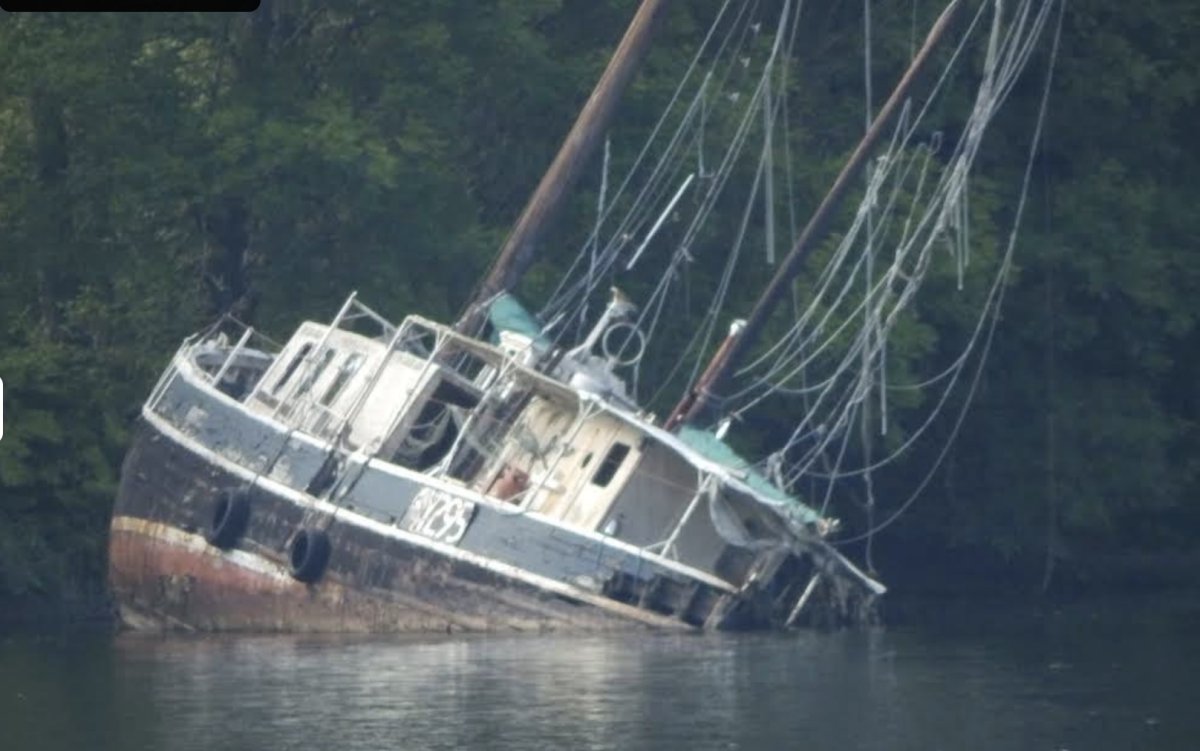
Behind the rows of polished yachts and newly launched boats lies another reality: abandoned vessels.
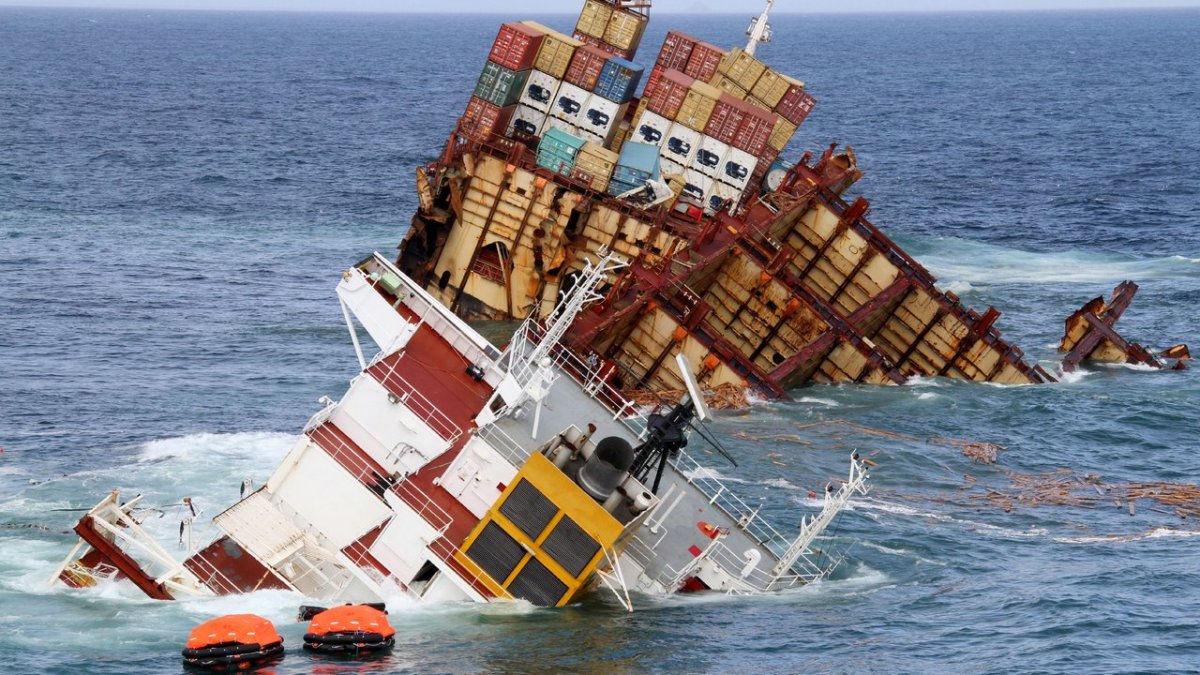
Across the world, thousands of boats, sailing yachts, fishing vessels, commercial ships, and even tankers are slowly reaching the end of their lives. Some remain tied to marina berths for years after their owners have stopped maintaining them. Others sink at their moorings, are intentionally abandoned, drift ashore, or, in the worst cases, are deliberately burned or scuttled.
The reasons are remarkably similar everywhere.
Owners lose interest.
Repair costs exceed the value of the vessel.
Insurance is no longer worthwhile.
The owner passes away.
Legal ownership becomes unclear.
And increasingly, many owners simply can no longer afford marina fees, maintenance costs, insurance, or mandatory inspections.
Abandonment becomes the cheapest option.
Unfortunately, the problem does not disappear simply because a boat is left behind.
Fiberglass hulls do not decompose.
Fuel tanks continue to leak.
Heavy metals enter the water.
Batteries, electrical systems, paints, antifouling coatings, plastics, and composite materials remain environmental hazards for decades.
Every abandoned vessel eventually becomes someone else's problem—typically the marina operator, local government, taxpayers, or the environment itself.
The Missing Industry
Surprisingly, while billions of dollars are invested every year in building new vessels, relatively little attention is given to what happens when those vessels reach the end of their useful lives.
The maritime industry has developed sophisticated global systems for manufacturing, financing, insuring, transporting, and selling boats.
It has not developed an equally efficient global system for disposing of them.
This imbalance creates an enormous business opportunity.
A Global Vessel Recycling Network
Professional vessel disposal should become a normal part of the marine lifecycle.
Just as every car eventually enters a certified recycling process, every recreational and commercial vessel should have access to certified dismantling facilities capable of handling:
fiberglass boats
aluminum vessels
steel ships
commercial fishing vessels
yachts
workboats
military surplus vessels
Such facilities would safely recover engines, metals, electronics, batteries, equipment, and reusable components while ensuring environmentally responsible disposal of hazardous materials.
Owners would receive official certificates confirming that their vessel had been dismantled in accordance with environmental regulations.
Why This Market Will Grow
Several long-term trends point in the same direction.
The global fleet of recreational boats continues to age.
Marina fees continue to rise.
Maintenance costs are increasing.
Environmental regulations are becoming stricter.
Governments are placing greater emphasis on pollution prevention and coastal protection.
At the same time, millions of fiberglass boats built during the boating boom of the 1970s, 1980s, and 1990s are now approaching the end of their operational lives.
Many have little or no resale value, yet they remain expensive to dispose of.
This growing imbalance will inevitably create demand for affordable, standardized, and internationally recognized recycling services.
The Data Opportunity
For platforms like GlobalBoats, vessel disposal is not merely an environmental issue—it is also a data opportunity.
Every recycled vessel adds another chapter to the vessel's lifecycle.
Knowing when a vessel was dismantled, where it was recycled, what materials were recovered, and why it left service contributes to a richer understanding of the global fleet.
Instead of simply disappearing from the market, vessels could become part of a permanent historical record that supports future market intelligence, sustainability reporting, insurance analytics, and lifecycle research.
Looking Beyond Buying and Selling
The boating industry often celebrates the beginning of a vessel's life.
Perhaps it is time to pay equal attention to its final chapter.
Building a global, certified vessel recycling network is not only an environmental necessity—it may become one of the largest and most important business opportunities in the maritime sector over the coming decades.
Legal Situation of Vessel Abandonment
Abandoning a boat, yacht, or commercial vessel is generally prohibited or subject to legal sanctions in many jurisdictions around the world. Rather than being considered a legitimate disposal method, vessel abandonment is widely treated as a legal, environmental, and public safety issue.
Core Legal Reality
Vessel owners remain legally responsible for their property throughout its lifecycle, including its proper end-of-life management. Simply abandoning a vessel does not release the owner from legal or financial liability.
In many countries and coastal states, deliberately abandoning a vessel—whether on the water, ashore, or on public property—may constitute a civil violation, an administrative offense, or, in more serious cases, a criminal offense. Depending on the jurisdiction, penalties may include fines, removal and cleanup cost recovery, environmental damages, and, in severe cases, criminal prosecution.
Actions such as intentionally scuttling a vessel, setting it on fire, or allowing it to sink without authorization may also violate environmental protection, pollution prevention, navigation safety, and hazardous waste laws, often resulting in substantially higher penalties.
Why Abandonment Is Not a Solution
Authorities can often pursue the last registered owner for the costs of vessel removal, disposal, wreck recovery, pollution response, and environmental remediation.
Port authorities, coast guards, municipalities, and environmental agencies generally have statutory powers to seize, remove, recycle, or dispose of abandoned vessels where necessary to protect navigation, public safety, or the environment. The associated costs are frequently recovered from the owner.
This reality highlights the urgent need for affordable, certified, and professionally managed vessel disposal and recycling services. Without such infrastructure, abandonment continues to impose significant financial burdens on governments, marina operators, taxpayers, and the marine environment.
Insurance Implications of Abandoned Vessels
Abandonment should never be viewed as a way to transfer financial risk to an insurer.
If an abandoned vessel leaks fuel, releases hazardous substances, catches fire, damages neighboring vessels, or sinks and obstructs navigation, insurance coverage may be limited or denied depending on the policy terms and the circumstances of the abandonment.
Marine insurers frequently argue that abandonment, failure to maintain the vessel, or intentional neglect constitutes a breach of policy conditions, allowing them to reject claims relating to pollution, third-party liability, wreck removal, or environmental cleanup. Courts in various jurisdictions have upheld such denials where policy terms and the facts supported the insurer's position.
As a result, owners of abandoned vessels may remain personally liable for removal costs, environmental remediation, regulatory penalties, civil damages, and other losses that can far exceed the remaining value of the vessel.
The legal and insurance consequences make one conclusion increasingly clear: a global network of certified vessel recycling and end-of-life disposal facilities is not only an environmental necessity but also an economic and legal imperative for the future of the maritime industry.
The Cost to Taxpayers – Public Spending on Vessel Removal
When vessel owners abandon their boats and insurance coverage is unavailable or denied, the financial burden shifts to taxpayers. Across the United States, state and local governments spend millions of dollars every year removing abandoned and derelict vessels that threaten navigation, public safety, and the environment.
Florida operates one of the nation's most comprehensive Derelict Vessel Removal Grant Programs. The program reimburses local governments for 100 percent of eligible vessel removal costs, with funding provided through annual appropriations by the Florida Legislature.
California spends approximately USD 2 million annually on recreational vessel removal and vessel turn-in programs. While these initiatives have successfully removed hundreds of abandoned boats, available funding remains insufficient to address the growing backlog of end-of-life vessels.
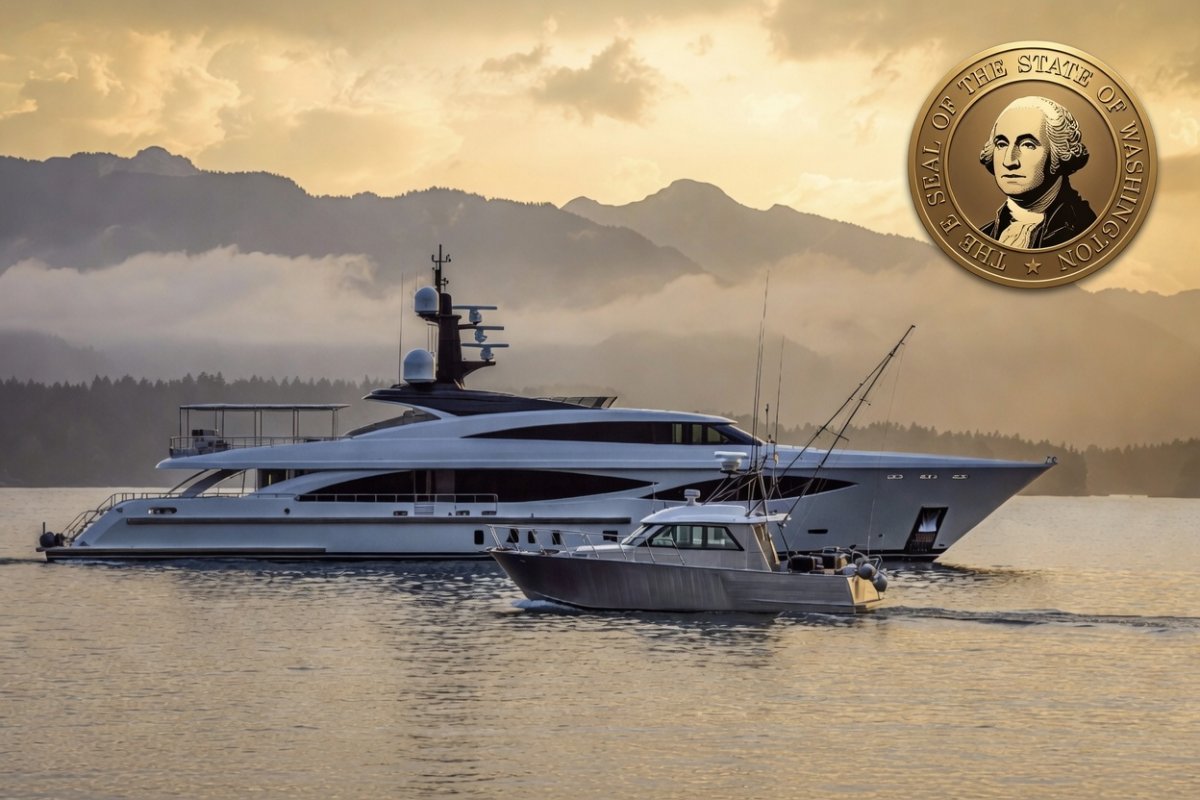
Washington State maintains one of the country's strongest abandoned vessel removal programs. For the 2025–2027 biennium, the Washington State Department of Natural Resources received approximately USD 20.6 million, equivalent to roughly USD 8–10 million per year, to continue removing abandoned and derelict vessels from state waters.
Many other coastal states lack dedicated funding mechanisms and instead finance vessel removals through emergency appropriations, environmental grants, or local government budgets. As a result, abandoned vessels are frequently removed only after they become immediate hazards to navigation, public safety, or the environment.
These taxpayer-funded expenditures reveal a systemic weakness in the maritime industry. When vessel owners fail to dispose of their boats responsibly, the costs do not disappear—they are transferred to governments, local communities, and ultimately taxpayers.
The continued growth of public spending on abandoned vessel removal strengthens the business case for a global network of certified, affordable vessel recycling facilities. Such infrastructure would reduce environmental harm, lower long-term public expenditures, and provide vessel owners with a practical, economically viable, and legally compliant end-of-life solution.
References
Florida Fish and Wildlife Conservation Commission (FWC). Derelict Vessel Removal Grant Program.
Pacific States/British Columbia Oil Spill Task Force. The Current State of Abandoned and Derelict Vessels on the West Coast (2019).
Washington State Department of Natural Resources (DNR). Derelict Vessel Removal Program – 2025–2027 Budget and Inventory Reports.
U.S. Government Accountability Office (GAO). Reports on State Expenditures and Management of Abandoned and Derelict Vessels.
The Money Question: Who Actually Removes and Disposes of These Vessels?
The question that ultimately arises is simple but uncomfortable: Who actually pays for and carries out the removal of thousands of abandoned boats, yachts, and commercial vessels every year?
When owners disappear, become insolvent, or simply refuse to act, responsibility rarely remains with the private sector. Instead, public authorities—including state agencies, port authorities, municipalities, and environmental organizations—intervene. Agencies such as the Washington State Department of Natural Resources (DNR), the Florida Fish and Wildlife Conservation Commission (FWC), and the California State Lands Commission have established programs to identify, seize, and remove abandoned vessels that threaten navigation, public safety, or the environment.
The physical work is typically carried out by specialized marine salvage, towing, and demolition companies. These contractors recover vessels, remove hazardous materials, dismantle hulls, recycle reusable components, and dispose of remaining waste in accordance with environmental regulations.
In many cases, however, the cost of these operations is borne largely by taxpayers through state budgets, federal grants, or publicly funded removal programs.
This raises a fundamental economic question:
Why is it often easier and cheaper to abandon a vessel than to dispose of it responsibly?
For many owners, professional disposal is difficult to arrange, expensive, or simply unavailable within a reasonable distance. End-of-life services remain fragmented, pricing is often unpredictable, and certified recycling facilities are limited in many regions. Faced with rising marina fees, increasing maintenance costs, or a vessel with little remaining market value, some owners conclude that abandonment is the least costly option—even though it ultimately transfers the burden to society.
This represents a significant market failure.
The maritime industry has developed efficient global systems for designing, financing, insuring, transporting, and selling vessels. Yet it has not created an equally efficient infrastructure for managing their end of life.
That gap represents a substantial business opportunity. A global network of certified vessel recycling and disposal companies offering transparent, standardized, and affordable pricing could fundamentally change owner behavior. Instead of shifting costs to taxpayers, owners would have access to a practical, legally compliant, and economically viable end-of-life solution.
The companies that build this infrastructure will not simply remove abandoned vessels—they will create an entirely new sector within the global maritime economy.
A Pragmatic Nordic Solution: The Swedish Model
While the United States and many other countries continue to struggle with growing numbers of abandoned vessels and rising taxpayer costs, Sweden has developed one of Europe's most practical and commercially viable end-of-life systems for recreational boats.
At the center of this model is Båtskroten AB, founded in 2009 by entrepreneur Stig Högman. The company was established with a simple but ambitious objective: to provide boat owners with an affordable, environmentally responsible, and legally compliant alternative to abandonment.
Over the past fifteen years, Båtskroten has become Sweden's leading specialist in recreational boat recycling. Today, the company processes hundreds of boats every year, with approximately 700 vessels dismantled in 2023 alone. Since its foundation, several thousand boats have passed through its facilities, making it one of Europe's most experienced operators in this niche.
The company operates through Båtretur, a nationwide collection network with numerous reception points across Sweden. Boat owners can either deliver their vessel themselves or arrange transportation through the network. Pricing is transparent and generally based on the boat's length, giving owners a predictable disposal cost before work begins—a stark contrast to the uncertainty that exists in many other countries.
The dismantling process follows a structured environmental workflow:
inspection and registration of the vessel
removal of fuel, engine oil, hydraulic fluids, batteries, and hazardous waste
recovery of reusable components
separation of metals, wood, plastics, fiberglass, and other materials
environmentally compliant recycling or disposal of the remaining hull
One of the most innovative aspects of the Swedish model is its well-developed secondary market.
Before dismantling, valuable equipment is carefully removed. Engines, propellers, winches, navigation electronics, anchors, stainless-steel fittings, sails, hatches, deck hardware, pumps, and hundreds of other components are inspected, cleaned, and offered for resale. Many of these parts remain in excellent condition despite the vessel itself having reached the end of its economic life.
This circular economy approach creates multiple benefits. It reduces waste, conserves valuable raw materials, supplies affordable spare parts to boat owners, and generates additional revenue that helps offset dismantling costs. Instead of treating an old boat as worthless waste, much of its value is recovered and returned to the marine market.
Sweden's legal framework complements this commercial model. Boat owners remain responsible for their vessels, but they also have access to an efficient and reasonably priced disposal service. Because a practical solution exists, abandonment becomes far less attractive.
The results are visible. With an estimated 880,000 to 950,000 recreational boats—one of the highest boat ownership rates per capita in the world—Sweden has demonstrated that responsible end-of-life management is achievable when legislation, commercial incentives, and recycling infrastructure work together.
The Swedish experience also reveals an important business lesson. Vessel recycling is not simply a waste management activity; it is a circular marine economy. Revenue comes from dismantling services, transportation, resale of reusable parts, recovered metals, recycling contracts, and environmental services. What initially appears to be a disposal business is, in reality, a diversified maritime recycling industry.
For countries facing rapidly growing numbers of abandoned boats, the message is clear: the challenge is not a lack of technology but a lack of scalable business models. Sweden has shown that professional vessel recycling can be environmentally responsible, economically sustainable, and commercially profitable.
The question is no longer whether such an industry can exist—it already does. The real question is who will build the next generation of vessel recycling companies around the world.
What Can the United States Learn from Sweden?
The United States faces one of the world's largest recreational boating markets, with more than 11 million registered recreational boats and thousands of vessels reaching the end of their useful lives every year. As this fleet continues to age, the number of abandoned boats is expected to increase unless practical solutions become widely available.
Sweden demonstrates that the problem is not simply one of environmental regulation—it is primarily one of market design.
Rather than relying on taxpayer-funded cleanup after abandonment, Sweden has built a commercial ecosystem that makes responsible disposal the easier and more attractive option.
The United States could adopt several key elements of this model:
A nationwide network of certified vessel recycling companies offering standardized, environmentally compliant disposal services.
Transparent, predictable pricing based on vessel size and type, allowing owners to understand disposal costs before problems arise.
A strong secondary market for reusable engines, electronics, sails, fittings, metals, and other marine equipment, reducing disposal costs while supporting the circular economy.
Closer cooperation between governments and private industry, where public authorities regulate and certify disposal while private companies perform the work competitively.
Digital end-of-life certificates documenting that a vessel has been legally dismantled and recycled, providing certainty for owners, insurers, marinas, and regulators.
Incentive programs encouraging owners to dispose of obsolete vessels before they become abandoned, reducing future public cleanup costs.
Perhaps the most important lesson is economic rather than environmental.
Today, governments spend millions of taxpayer dollars removing abandoned vessels after they become hazards. A mature recycling industry would shift much of this burden back to the marketplace, where professional companies compete to provide affordable, efficient, and environmentally responsible disposal services.
The opportunity extends well beyond waste management. Vessel recycling can become an industry in its own right, creating skilled jobs in marine salvage, transportation, dismantling, hazardous material handling, recycling, logistics, and the resale of used marine equipment.
For entrepreneurs and investors, this represents an emerging market with significant long-term potential. For governments, it offers a way to reduce public expenditure. For boat owners, it provides an affordable and legally compliant exit strategy. And for the marine environment, it means fewer abandoned vessels polluting rivers, lakes, harbors, and coastlines.
The United States has all the ingredients needed to build this industry: the world's largest recreational boating market, a mature marine services sector, advanced recycling expertise, and increasing public awareness of environmental responsibility.
The challenge is no longer recognizing the problem.
The challenge is building the industry that solves it.
---------------------------------------------------------------
Thank You for Reading
Thank you for reading this article.
We're real people who love boats, the marine industry, and the stories behind them.
What would you like to read about next?
Tell us which boats, brands, marinas, destinations, companies, or marine industry topics you would like us to cover.
At GlobalBoats.World, our mission is simple: to help boat owners, brokers, dealers, marinas, manufacturers, and marine businesses grow, connect, and succeed.
Share your ideas, leave a comment, and let us know how we can create even more valuable content for you.
Fair winds,