








Navy SEAL Power Meets German V12 Engineering — The Legendary Mark V Special Operations Craft
The Pursuit of Strategic Superiority
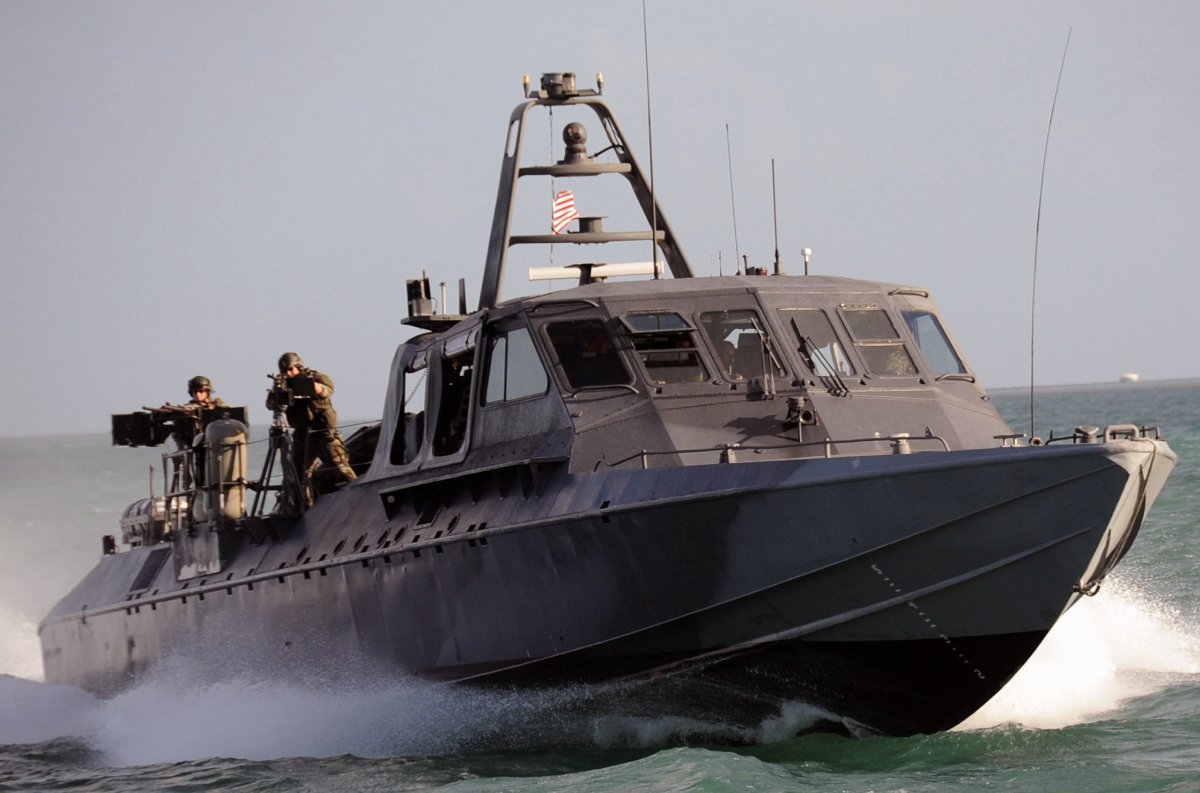
While many entrepreneurs choose a solid, unassuming Skoda — reliable, efficient, and low-maintenance — or opt for a rugged Ford F-150 because it simply gets the job done, there is a third, far more ambitious category. These individuals are not looking for mere transportation. They seek strategic superiority. They want the Mark V Special Operations Craft — the iconic 25-meter high-speed boat developed specifically for the most demanding missions of the US Navy SEALs.
Until the early 1990s, no single watercraft had ever been purpose-built for modern special operations forces. The SEALs were forced to improvise with whatever vessels were available, often bolting garden furniture to the deck as makeshift seating. This was no longer acceptable for rapid insertion and exfiltration operations in low-to-medium threat environments. What was missing was a dedicated platform that combined long range, high speed, sufficient payload for 16 fully equipped operators, low radar signature, and the ability to operate effectively along hostile coastlines under difficult conditions.
Identifying the Critical Capability Gap
This critical capability gap was recognized by the United States Special Operations Command (USSOCOM) — the unified command responsible for all US Special Operations Forces. Leveraging its newly granted Agency-Level Contracting Authority, USSOCOM launched a highly aggressive program. The solicitation requirements were demanding: a craft capable of covering over 500 nautical miles at speeds approaching 50 knots, modular armament, air-transportable by C-5 Galaxy, and robust enough to deliver and recover SEAL teams safely and rapidly in contested areas.
The outcome was remarkable: only 18 months passed from program initiation to the delivery of the first boat on September 4, 1995 — an almost unprecedented speed in military procurement.
Winning the Contract – VT Halter Marine
Out of a highly competitive selection process, VT Halter Marine (Gulfport, Mississippi) emerged as the winner. The company proposed a robust aluminum deep-V monohull design that ultimately outperformed two strong alternatives: a Kevlar composite monohull and an aluminum catamaran.
The decision came down to real-world operational priorities rather than theoretical advantages. During rigorous testing, the Navy simulated beaching the craft under fire — a critical capability for SEAL insertion and exfiltration missions. The catamaran design fractured under the stress, while the aluminum monohull proved exceptionally tough: it could be beached hard, then simply towed back into the water with minimal damage. This superior structural resilience in contested littoral environments, combined with proven buildability and maintainability at scale, secured the contract for Halter Marine.
Technical Specifications – Built for War
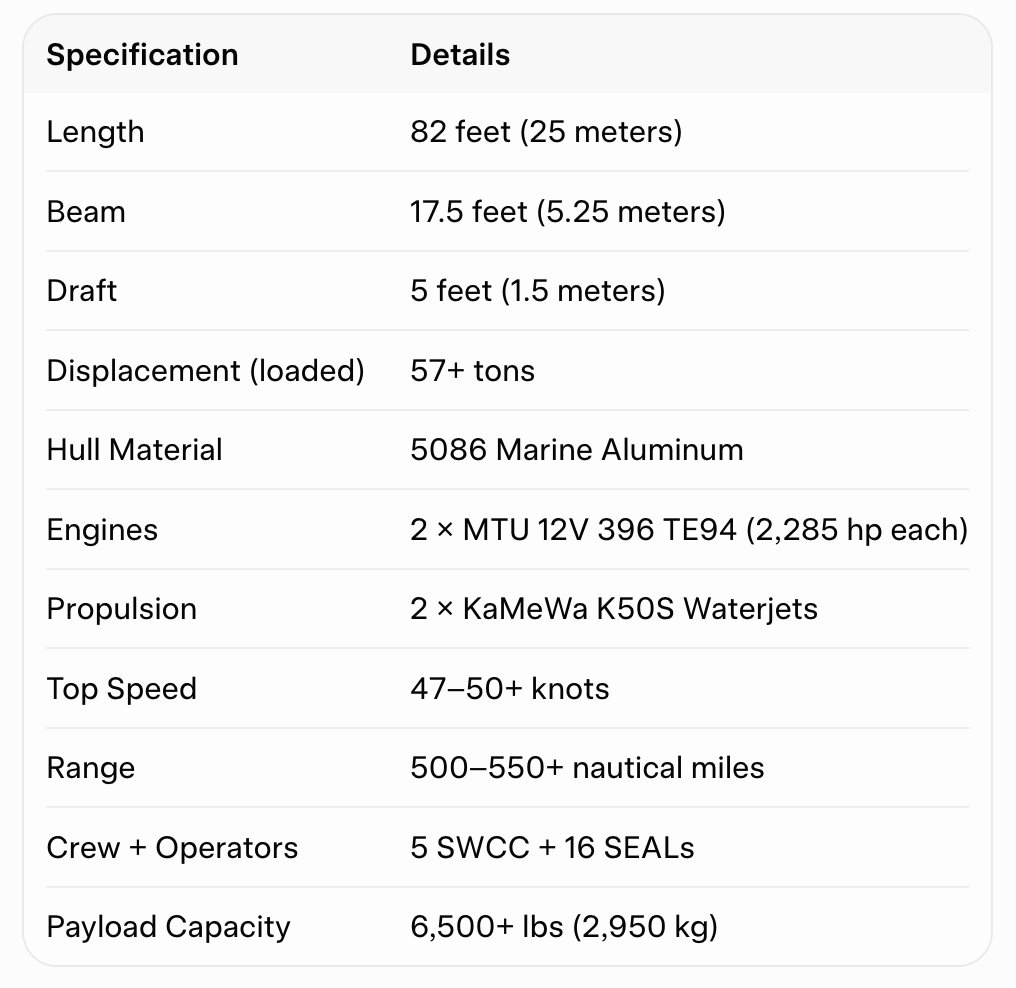
At its core, the Mark V Special Operations Craft is a masterpiece of purpose-driven engineering. Measuring 82 feet (25 meters) in length with a beam of 17.5 feet (5.25 meters) and a draft of just 5 feet (1.5 meters), the vessel displaces over 57 tons when fully loaded. It is built from rugged 5086-series marine aluminum in a deep-V monohull configuration, optimized for high-speed stability and the ability to beach under difficult conditions.
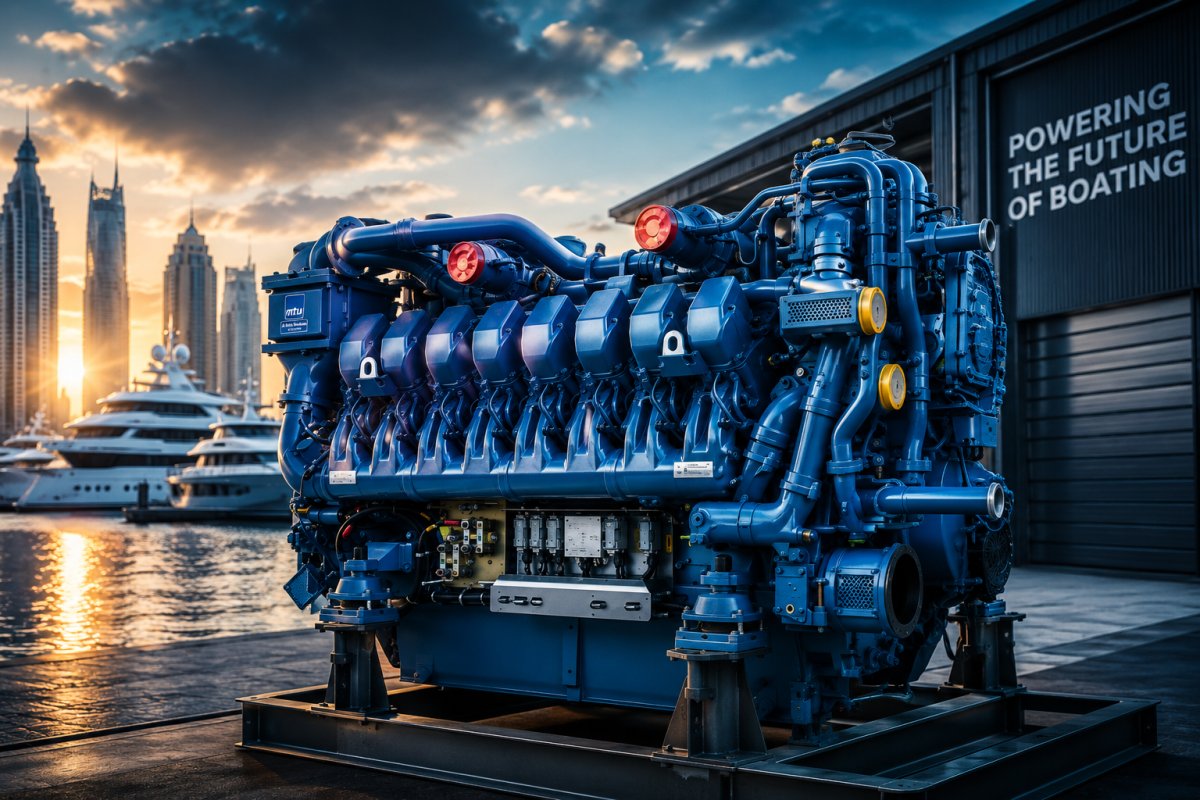
Power comes from two German MTU 12V 396 TE94 diesel engines, each delivering 2,285 horsepower, driving a pair of KaMeWa K50S waterjets. This propulsion package enables a top speed of 47–50+ knots and a sprint range exceeding 500 nautical miles (up to 550+ nm at cruise). The boat can carry a crew of 5 SWCC operators plus 16 fully equipped SEALs, along with over 6,500 lbs (2,950 kg) of mission-specific payload — including weapons, CRRC inflatable boats, fuel, and advanced communications gear.
Operational History and Real-World Challenges
The Mark V saw extensive operational service from 1996 until its retirement in 2013, primarily in the Persian Gulf, the Middle East, and supporting operations across more than 25 countries. It played a key role in the early stages of Operation Iraqi Freedom in 2003, where boats from Special Boat Team 20 launched from Kuwait to insert SEAL platoons and successfully seize critical offshore oil terminals — one of the first major actions of the invasion. The craft excelled in medium-range insertion/exfiltration missions in low-to-medium threat environments, delivering speed, surprise, and heavy payload where it mattered most.
Mitigating the Human Cost – Upgrades and Lessons Learned
However, real-world operations revealed significant challenges. The rigid aluminum hull transmitted enormous G-forces (often exceeding 15–20G in rough seas), leading to a high rate of crew injuries — including bruises, sprained ankles, chipped teeth, and chronic back, neck, and joint problems. Structural issues such as collapsing windshields and pilothouse assemblies under repeated wave impacts also occurred early on. While these problems were later mitigated through upgrades, they highlighted the physical toll of operating at the edge of performance.
From Military Service to the Private Market
By 2013, the U.S. Navy had decided to retire the entire Mark V fleet after nearly two decades of hard service. The boats were replaced by a new generation of platforms — including the Combatant Craft Medium (CCM) and Combatant Craft Assault (CCA) — which offered better shock mitigation, lower maintenance demands, and improved survivability in modern threat environments.
Following decommissioning, a small number of Mark Vs entered the private market. The most prominent civilian owner is Palmer Luckey, founder of Oculus VR and Anduril Industries, who acquired one in 2019 and still operates it from his residence in Newport Beach, California.
Today, one of the best opportunities for acquisition comes from P45 Equipment, a Michigan-based specialist in sourcing, restoring, and selling high-end ex-military vehicles and vessels.
The company is currently performing a full professional restoration on a Mark V — including MTU engines, KaMeWa waterjets, hull structure, and systems — and plans to offer it for sale upon completion. A fully restored, mission-capable example is estimated in the $850,000 – $1.2 million range, depending on final condition and equipment.
The Successors – CCA and CCM
The Mark V was ultimately replaced by two primary successors: the Combatant Craft Assault (CCA) and the Combatant Craft Medium (CCM Mk1).
The CCA is a significantly smaller, lighter, and more agile 41-foot composite-hull boat designed for high-speed assault missions. It offers better shock mitigation, lower radar signature, and far superior transportability — it can even be airdropped from a C-17. While fast (over 50 knots), it carries fewer operators (typically 4 crew + ~8 SEALs) and has less range and payload than the Mark V.
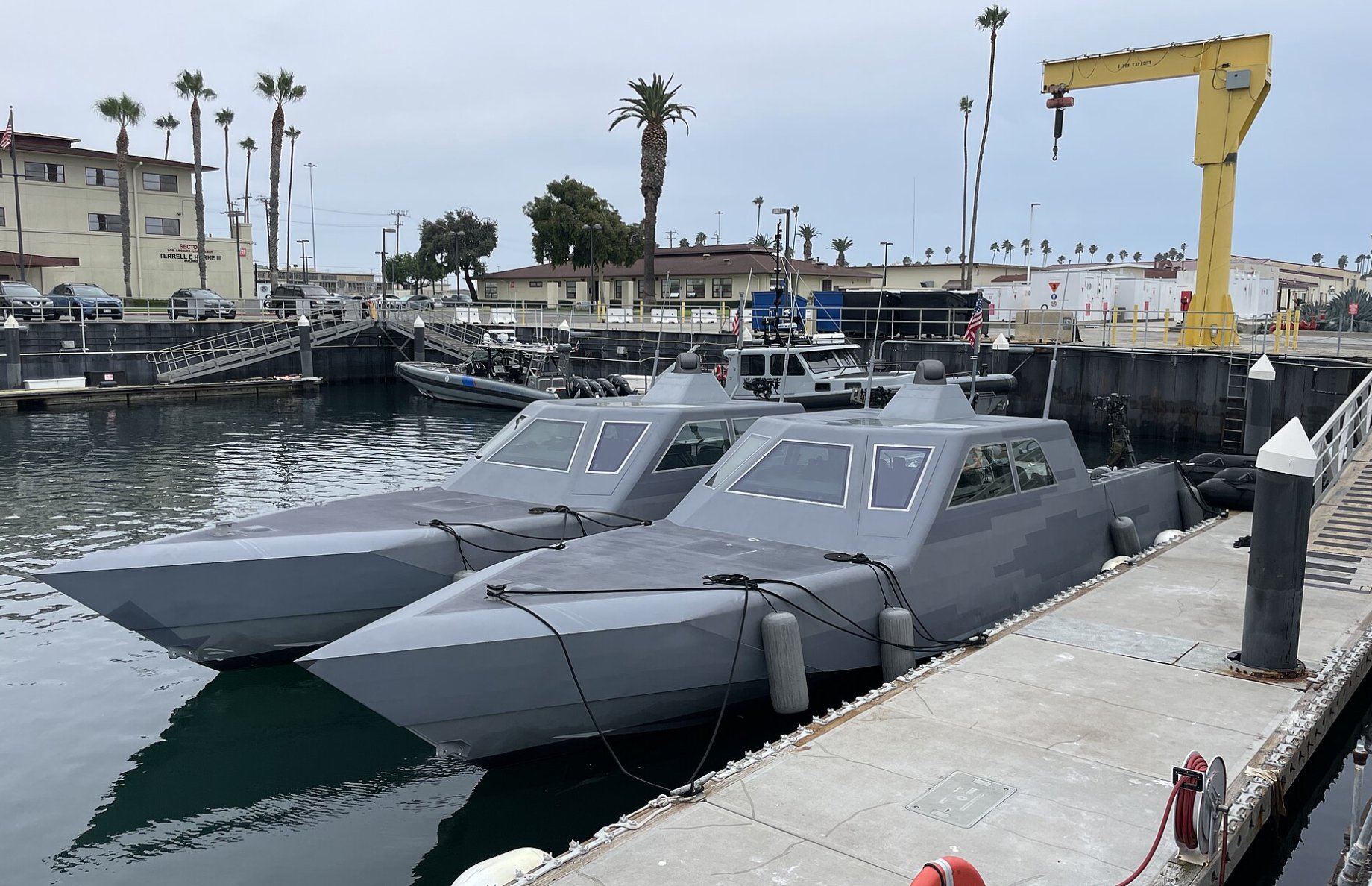
In contrast, the CCM Mk1 serves as the direct spiritual successor to the Mark V. At approximately 60 feet long with an aluminum hull, it maintains strong payload capacity (4 crew + 19 operators) and excellent range (~600 nautical miles), while delivering improved stealth characteristics, modern electronics, better shock-absorbing systems, and easier global deployability via C-17 aircraft — without requiring the massive C-5 needed for the Mark V.
While no exact civilian replica of the Mark V exists due to its highly specialized military design and extreme operating costs, several world-class shipyards can build comparable high-performance vessels for private clients. The most direct spiritual successor is the MAKO prototype developed by Hodgdon Yachts (Maine, USA) — a full-composite version of the Mark V concept that is lighter, stronger, and significantly better at mitigating slamming forces.
Civilian Alternatives and Custom Builds
Other premium manufacturers capable of delivering similar 20–30 meter high-speed aluminum or composite patrol/interceptor craft include:
- Metal Shark (USA) – Known for rugged, military-grade high-speed boats
- Swiftships (USA) – Experienced in building fast patrol vessels
- Aresa Shipyard (Spain) – Specializes in advanced composite coastal patrol boats
For ultra-high-net-worth individuals, these yards (and select European builders) offer full custom builds. You can specify modern diesel or hybrid propulsion, advanced shock-mitigating seating, luxury interiors, and lower radar signatures — delivering Mark V-level performance with far better comfort and efficiency for civilian use.
The Mark V Legacy – German Engineering Meets SEAL Ambition
In the end, the Mark V Special Operations Craft stands as a powerful symbol of what is possible when world-class German engineering meets American special operations ambition. The legendary MTU 12V 396 diesel engines — masterpieces of German precision and reliability — combined with the uncompromising, mission-driven mindset of the U.S. Navy SEALs, created something truly exceptional: a no-compromise platform that delivered strategic superiority when it mattered most.
Just as some choose a Skoda for sensible daily use, others a Ford F-150 for raw capability, there will always be those who demand the absolute pinnacle. For them, the Mark V represents more than a boat — it represents a philosophy: that the fusion of elite engineering and relentless operational focus can overcome almost any challenge.
Whether you admire it from afar or seriously consider owning one, the Mark V remains one of the most iconic high-performance vessels ever built.
Follow & Read More
If you enjoyed this deep dive into the legendary Mark V Special Operations Craft, follow us for more exclusive articles on high-performance military vessels, rare civilian conversions, and the world of serious marine engineering.
Read more powerful stories at GlobalBoats.World.
If you would like more articles on specific topics, have questions about the Mark V, or want to share your feedback, please visit our feedback page: GlobalBoat Feedback
We’d love to hear from you.