
The Real Cost of Freedom: Boat and Yacht Insurance Prices in 2026
Introduction Owning a boat or yacht comes with significant ongoing expenses, and insurance is one of the largest. In mid-2026, premiums continue to rise due to higher repair costs, increased claims from extreme weather, inflation in the marine industry, and strong demand for high-value vessels. Insurance typically costs between 0.75% and 2.5% of the boat’s insured value per year for standard recreational use, but can reach 1–5% for high-risk scenarios, luxury yachts, or worldwide cruising. Below are real-world average costs based on current market data from major insurers and industry reports.
Actual Insurance Costs by Boat Size (2026)
Here are realistic annual premium ranges for full hull + liability coverage (Agreed Value where possible). Prices vary significantly by location, owner experience, safety equipment, navigation area, and claims history.
- 6-meter boat (approx. 20 ft, value $10,000–$30,000) Annual premium: $200 – $900 Small motorboats, fishing boats, or runabouts fall in this range. Many owners pay under $600/year, especially in low-risk inland waters.
- 12-meter sailboat (approx. 40 ft, value $80,000–$250,000) Annual premium: $800 – $3,500 Typical coastal cruising policies range from $1,200–$2,500. Offshore or Mediterranean use pushes costs higher.
- Small yacht (12–18 meters / 40–60 ft, value $300,000–$1 million) Annual premium: $3,000 – $15,000 A common 15-meter yacht often costs $5,000–$12,000 per year (roughly 1–1.8% of value).
- Large yacht (18–30 meters / 60–100 ft, value $1–10 million) Annual premium: $10,000 – $80,000+ A 25-meter yacht valued at $5 million typically falls between $40,000 and $75,000 annually.
- Superyacht (30+ meters / 100+ ft, value $10 million+) Annual premium: $100,000 – $1,000,000+ For vessels valued at $20–50 million, premiums often range from $150,000 to $500,000+ per year. Mega-yachts over $50 million can exceed $250,000–$1M annually, especially with crew coverage and worldwide navigation.
Key Fact: The industry average for most recreational boats remains around $300–$600 per year, but this jumps dramatically for larger, more valuable, or higher-risk vessels.
Top 10 Major Boat & Yacht Insurers (USA, Europe, Japan – 2026)
USA (dominant market for recreational and luxury marine insurance):
- Progressive — Market leader for smaller boats and affordable policies.
- Chubb — Top choice for luxury yachts and high-value vessels (Masterpiece program).
- Markel — Strong for sport boats, fishing boats, and mid-size yachts.
- GEICO Marine — Competitive pricing for standard boats.
- BoatUS (partnered underwriters) — Popular for member benefits and towing coverage.
- Great American Insurance — Solid for larger yachts.
- Travelers & Allstate — Broad offerings, good for bundling.
Europe:
- Pantaenius — Leading specialist, especially in Germany and across Europe.
- Allianz — Strong international coverage.
- AXA / AXA XL — Excellent for global cruising.
- Zurich — Reliable for mid-to-large vessels.
Japan & Global Specialists:
- Tokio Marine — Dominant in Japan and strong in Asia.
- Other major global players: AIG, Hiscox, MS Amlin (often used for superyachts).
Many owners work with specialist marine brokers to compare quotes across these carriers for the best combination of price and coverage.
Notable Smaller and Niche Boat & Yacht Insurers (USA, Europe – 2026)
While the market is dominated by large carriers, several smaller and specialized insurers offer competitive options, particularly for specific vessel types, owner profiles, or regions.
USA – Smaller & Niche Insurers:
- PURE Insurance — Member-owned, high-end insurer focused on luxury yachts and low-risk, high-net-worth owners.
- Foremost Insurance — Strong specialist for personal watercraft, smaller boats, and specialty vessels.
- Ocean Reef Insurance Group — Dedicated marine and yacht specialist.
- RLI Corp. — Specialty carrier with flexible recreational marine programs.
- Berkley Marine — Focused on marine hull and higher-complexity risks.
Europe – Smaller & Niche Insurers:
- Nürnberger Versicherung — Well-established German insurer with strong marine and yacht programs, popular in Germany and Central Europe.
- Mannheimer Versicherung — Traditional German specialist known for flexible yacht and boat coverage, especially for mid-size vessels.
- Haven Knox-Johnston — Well-regarded UK specialist for cruising yachts and liveaboards.
- GJW Direct — Competitive UK-based insurer for smaller boats and yachts.
- Admiral Marine — Strong for European cruising and mid-size vessels.
- Craft Insure — Modern, online-focused insurer popular for smaller and mid-size boats.
- Simon Winter Marine — Specialist for classic, wooden, and traditional yachts.
Global & Specialty Options:
- Hiscox and MS Amlin — Frequently used for high-value and superyacht risks on a global basis.
Note: Many boat and yacht owners work with independent marine insurance brokers to access these smaller and niche carriers, often securing better tailored coverage and pricing.
Why Premiums Keep Rising in 2026 (The Wake-Up Call)
- Repair costs for modern boats with complex electronics and composites have exploded.
- Climate-related claims (hurricanes, storms) are at record levels.
- Insurers are pulling out of high-risk states or dramatically raising rates.
- Superyacht segment is seeing the steepest increases due to crew liability and global navigation risks.
Marine Insurance Market Dynamics 2026: Premiums, Loss Ratios & Underwriting Reality
From the insurer’s viewpoint, the recreational boat and yacht segment operates within the broader marine hull insurance market. Carriers evaluate performance primarily through loss ratios (claims paid divided by premiums earned), combined ratios, and portfolio profitability — not owner convenience.
Key Industry Metrics (based on IUMI Global Marine Insurance Report 2025 and 2026 market data):
- Global Marine Insurance Premiums reached approximately USD 39.92 billion in 2024, with a modest 1.5% increase year-over-year.
- Ocean Hull (which includes significant yacht and large vessel exposure) stood at USD 9.67 billion in 2024, up 3.5%.
- Loss Ratios for ocean hull in Europe have remained relatively stable around 60% in recent years. In Asia and the United States, loss ratios improved to below 50% in 2024 — a notable recovery from elevated COVID-period levels.
Premium vs. Claims Reality:
Insurers typically target a loss ratio in the 50–65% range for sustainable profitability in marine hull lines. The remaining portion covers expenses, reinsurance, and profit margins. In 2024–2025, many carriers saw improved loss ratios due to benign claims years in some regions, but persistent claims inflation (rising repair costs, supply chain issues, and larger average claim sizes for modern composite vessels) continues to pressure margins.
2026 Market Position:
- The market has shifted from a hard market (aggressive rate increases) toward softening conditions with increased capacity and more competitive pricing in core lines.
- Underwriters remain disciplined on high-value yachts and vessels with complex risks (high power density, extensive electronics, global navigation).
- Combined Ratios for the broader property & casualty sector (including marine) are forecasted around 98.5–99% for 2025–2026, indicating thin but positive underwriting margins for disciplined carriers.
Insurer Insights:
- Portfolio Selection is critical. Carriers increasingly differentiate between low-risk coastal/inland profiles and high-exposure offshore or superyacht risks.
- Risk Segmentation has sharpened: Vessels with modern safety equipment, professional crewing, and limited navigation areas generally show better (lower) loss ratios.
- Newer technologies (telematics, real-time monitoring) are being adopted to refine pricing models and reduce adverse selection.
In summary, from a pure insurance perspective in mid-2026, the boat and yacht hull segment remains profitable overall but faces ongoing tension between competitive pressure on premiums and structural claims inflation. Underwriters prioritize data-driven risk selection and portfolio balance over volume growth in uncertain segments.
Marine Hull & Yacht Insurance: Segments Insurers Avoid and Biggest Loss Drivers
From an underwriting standpoint, not all boat and yacht risks are equal. Carriers actively segment the market and increasingly decline or heavily restrict certain profiles to protect loss ratios.
Segments Where Many Insurers Are Reluctant or Refuse Coverage (2026):
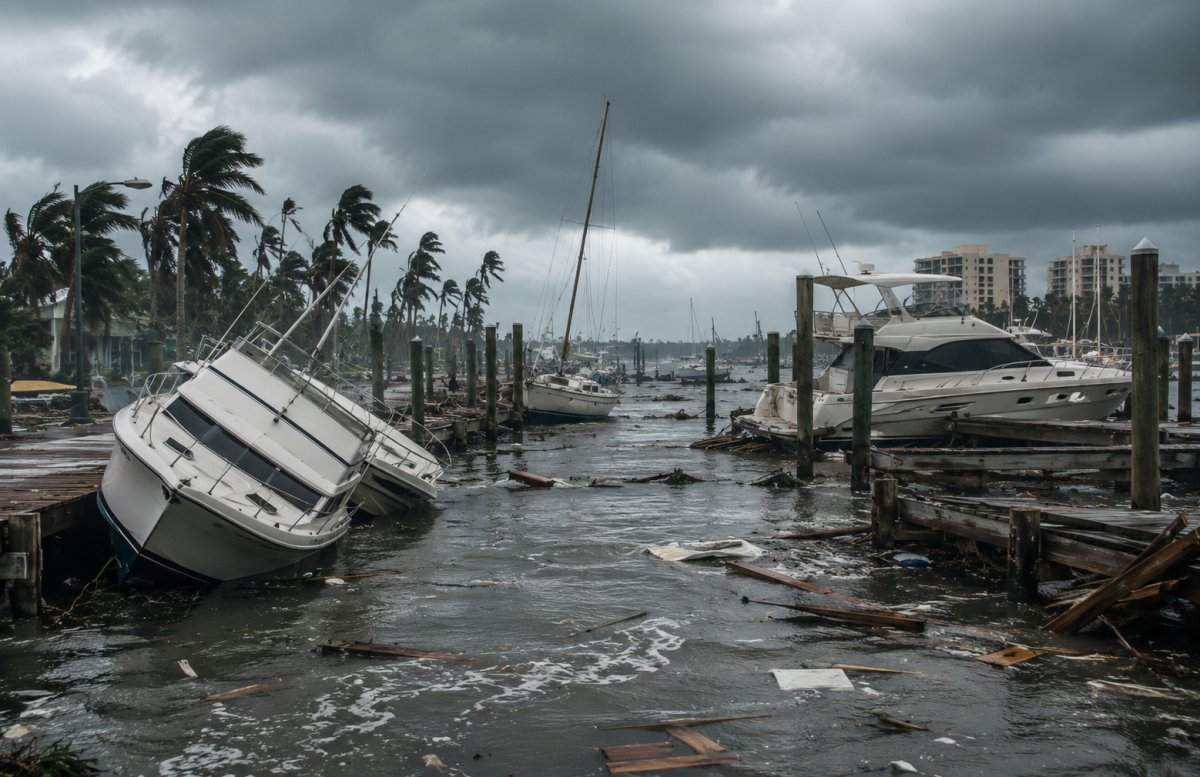
- High-risk geographic areas: Florida, Caribbean, Gulf Coast (hurricane exposure) — many carriers pull back or demand very high deductibles and haul-out requirements.
- Old vessels (especially >20–25 years without recent surveys) — rising repair costs and poor condition lead to frequent total losses.
- High-performance speedboats / racing yachts — extreme usage and higher accident frequency.
- Wooden hull classic boats — difficult and expensive repairs.
- Vessels with poor loss history or inexperienced owners — especially first-time owners of large yachts.
- Worldwide navigation without professional crew on superyachts — significantly higher risk.
- Boats in high-theft or high-crime marinas.
Highest Risk Segments (Worst Loss Ratios)
- Superyachts & Large Luxury Yachts (>24 meters) — Highest average claim severity (one total loss can be tens of millions).
- Vessels in hurricane-prone regions (Florida, Southeast US, Caribbean).
- High-value composite / modern yachts with complex electronics and lithium-ion battery systems.
- Offshore / blue-water cruising yachts vs. inland/coastal only.
Biggest Causes of Losses (by Value & Frequency)
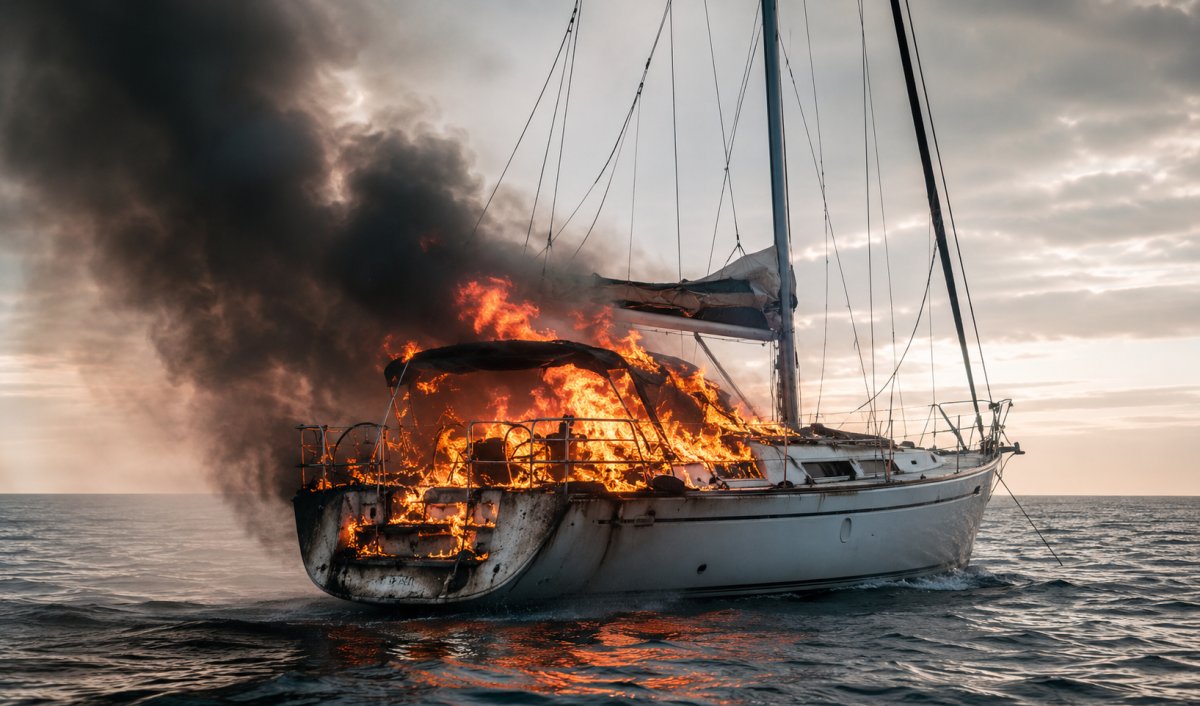
- Fire & Explosion — Currently the #1 cause of marine hull losses by value (AGCS & IUMI data). Engine room fires, electrical faults, and lithium batteries are major drivers. Often leads to total loss.
- Severe Weather / Hurricanes & Storms — Especially in the US. Groundings and storm damage cause massive claims.
- Sinking / Foundering — Often due to hull breaches, failed fittings, or storm damage.
- Theft & Vandalism — Particularly electronics, outboards, and entire vessels in certain regions.
- Collision / Grounding — Common in recreational boating.
Key Insight for Insurers (2026): While overall marine hull loss ratios remain acceptable (50–65%), the tail risk in superyachts and hurricane-exposed vessels is extremely high. One or two major claims can wipe out years of profit on a single policy. This is why disciplined carriers focus heavily on risk selection, modern safety equipment, and restricted navigation areas.
Implications of Current Market Data
1. What These Facts Mean for Insurance Brokers
- The marine insurance market remains profitable in 2026, with loss ratios typically between 50–65% and combined ratios around 98–99%. There is still healthy potential for profit, particularly on well-selected, low-risk portfolios.
- However, the market is becoming more challenging. Many carriers are reducing capacity or withdrawing from high-risk segments such as Florida, the Caribbean, older vessels, offshore cruising without professional crew, and certain superyacht risks.
- Competition is increasing as the market softens. Brokers must compare quotes more aggressively and negotiate effectively, as carrier loyalty delivers diminishing returns.
- New opportunities exist for brokers who specialize in risk management. Those who focus on modern safety equipment, professional surveys, and telematics can become more valuable partners to carriers and secure better terms and commissions.
Summary for Brokers: Traditional quote-gathering approaches are losing effectiveness. Successful brokers are evolving into risk advisors who help clients become attractive, insurable risks.
2. What These Facts Mean for Vessel and Yacht Owners
- Vessel owners in high-risk categories are indirectly subsidizing weaker risks. While the industry as a whole remains profitable, carriers are tightening terms or limiting coverage for Florida, older boats, offshore exposure, and superyachts.
- Premium levels are highly dependent on the individual risk profile. Vessels with modern safety equipment, favorable locations, restricted navigation areas, and clean claims histories generally achieve significantly lower rates. Owners without these attributes often pay substantially more — frequently two to three times higher.
- Mid-2026 represents a relatively favorable time for action, as softening market conditions are leading to more competitive pricing for desirable risks.
- The most effective levers for cost optimization are regular quote comparisons (20–35% savings potential), upgrading vessels to low-risk profiles through safety equipment and surveys, and maintaining restricted navigation where feasible.
Summary for Owners:
The insurance industry clearly rewards good risks and penalizes poor ones.
If an owner wants to consistently avoid the highest premiums and coverage problems, the logical consequences are clear: Do not buy an old boat, avoid wooden hulls, refrain from purchasing a vessel that is too large or complex, and moor it in a safe, low-risk location.
Owners who actively follow these principles and manage their risk profile achieve materially lower premiums and better insurability. Those who ignore them will continue to face significantly higher costs and potential coverage restrictions.
-------------------------------
Thank You for ReadingThank you for reading this article.
We're real people who love boats, the marine industry, and the stories behind them.
What would you like to read about next?
Tell us which boats, brands, marinas, destinations, companies, or marine industry topics you would like us to cover.Use your own language — 🇺🇸 English, 🇯🇵 Japanese, 🇪🇸 Spanish, 🇫🇷 French, 🇮🇹 Italian, 🇵🇹 Portuguese, 🇨🇳 Chinese, 🇰🇷 Korean, or any other language.
🌍 We understand them all.
At GlobalBoats.World, our mission is simple: to help boat owners, brokers, dealers, marinas, manufacturers, and marine businesses grow, connect, and succeed.
Share your ideas, leave a comment, and let us know how we can create even more valuable content for you.
Fair winds,
The GlobalBoats.World Team 2026