
🌍 The Yacht Market of Tomorrow – Why Africa Matters - Business Dev.
- When we invest in new markets, the first question is deceptively simple:
What is actually “new”?
Because in reality, the global yacht market is already highly concentrated—and has been for decades.
⚓ Today’s Centers of Power

If we look at the data, the picture is clear.
The dominant hubs today:
- Monaco / French Riviera
- Miami
- Dubai
- Sydney
These are not just locations.
They are fully developed ecosystems:
- dense broker networks
- high-net-worth buyers
- financing, insurance, maintenance
- world-class marinas
Fact:
👉 Over 80% of global superyacht activity is concentrated in a small number of these hubs.
🛥 Where the Mega Yachts Actually Are
If you follow the mega yachts (30m+), patterns become even clearer:
Seasonal flow:
- Summer: Mediterranean (Monaco, Cannes, Sardinia)
- Winter: Caribbean (Miami, Bahamas, St. Barths)
- Transit hubs: Dubai, Cape Town
Key insight:
👉 Yachts don’t stay local.
They operate in a global liquidity network.
🚀 The Real Question: What Comes Next?
The industry is mature—but not static.
New markets don’t emerge randomly.
They follow a very specific pattern:
A market becomes relevant when it has:
- Wealth concentration (HNWIs)
- Infrastructure (marinas, service, legal)
- Access to global routes
- Lifestyle demand
Without all four, there is no real yacht market.
🌍 Africa – The Misunderstood Continent
Now we shift the lens.
When people say “Africa is the next market,” they are both right—and wrong.
Because Africa is not one market.
It is three completely different realities.
🌊 West Africa – Economic Power Without a Yacht Market

Countries like:
- Nigeria
- Ghana
- Côte d’Ivoire
have economic scale.
But:
Reality:
- Ports are built for oil, gas, and trade
- Almost no marina infrastructure
- No broker ecosystems
- No established yacht culture
👉 Conclusion:
West Africa is not a yacht market today.
But it is something else:
👉 A future demand pool—if infrastructure ever follows.
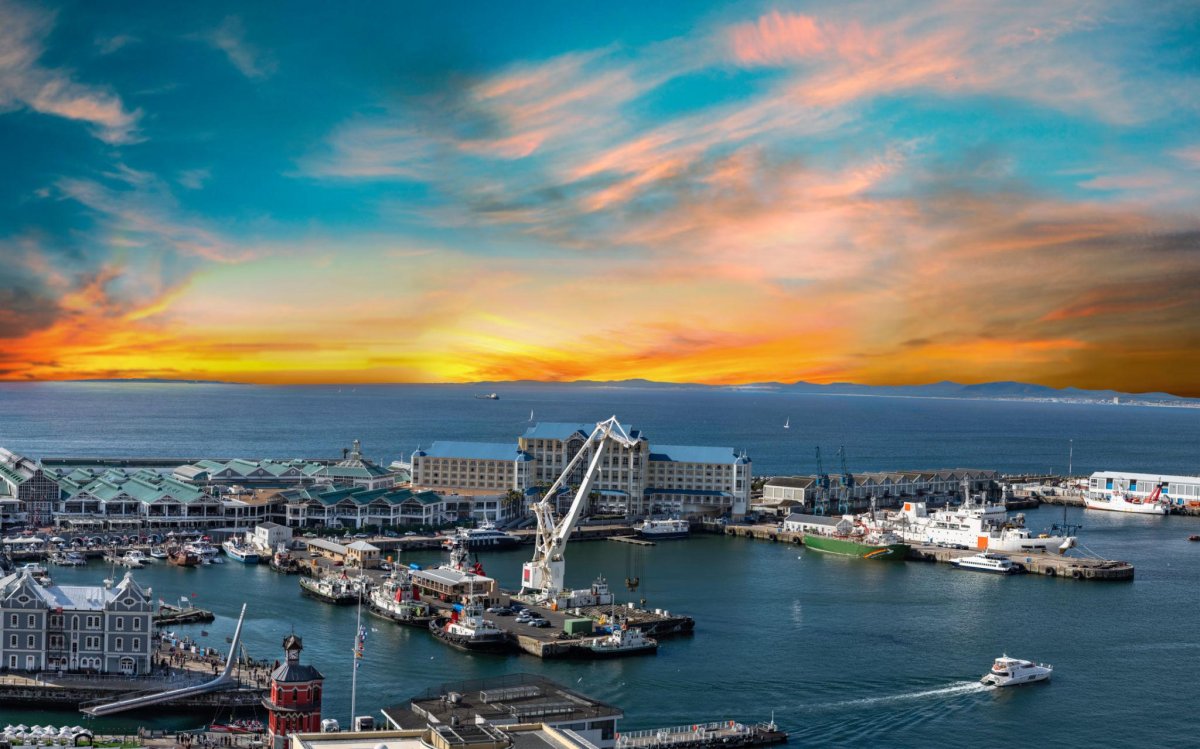
🇿🇦 South Africa – Africa’s Only Real Yacht Hub

South Africa is different.
Why it works:
- Global routing position (Atlantic crossings)
- Developed marina and refit ecosystem
- International service standards
Function:
👉 Not a local growth market
👉 A global service hub
Cape Town is where yachts stop, repair, and reposition.
🇪🇬 Egypt – Tourism-Driven Growth

Egypt plays a different game.
Key driver:
👉 Tourism
- Charter fleets
- Resort-based yachting
- International demand (not local ownership)
👉 Conclusion:
Egypt is not building a yacht ownership market—
it is building a yacht usage market.
🧠 Strategic Synthesis
Let’s be precise.
Facts:
- Africa has only one fully functional yacht hub (South Africa)
- One tourism-driven market (Egypt)
- One future macro-region (West Africa)
Assumption:
- Wealth in Africa will grow over the next 10–20 years
Constraint:
- Infrastructure and regulation will lag
🔥 What This Means for Market Builders
If you are building a platform like GlobalBoats, the implications are critical:
Short-term (0–3 years)
- Focus on:
- US (Miami)
- Europe (Med)
- UAE
👉 That’s where liquidity is
Mid-term (3–7 years)
Expand into:
- South Africa
- Egypt (charter-driven)
Long-term (7–15 years)
- Watch:
- Nigeria
- West Africa
👉 Not for today’s listings
👉 But for tomorrow’s buyers
🚀 Final Thought
The biggest mistake in market expansion is confusing potential with present reality.
Africa has potential.
But the yacht market is not built on potential.
It is built on:
- infrastructure
- trust
- liquidity
👉 And those take time.