






What If We Gave Admiral Nimitz 🇺🇸 a Job in Our Company Today?
Admiral Chester Nimitz 🇺🇸 and the Lessons of Midway: How Trust and Empowerment Built American Greatness
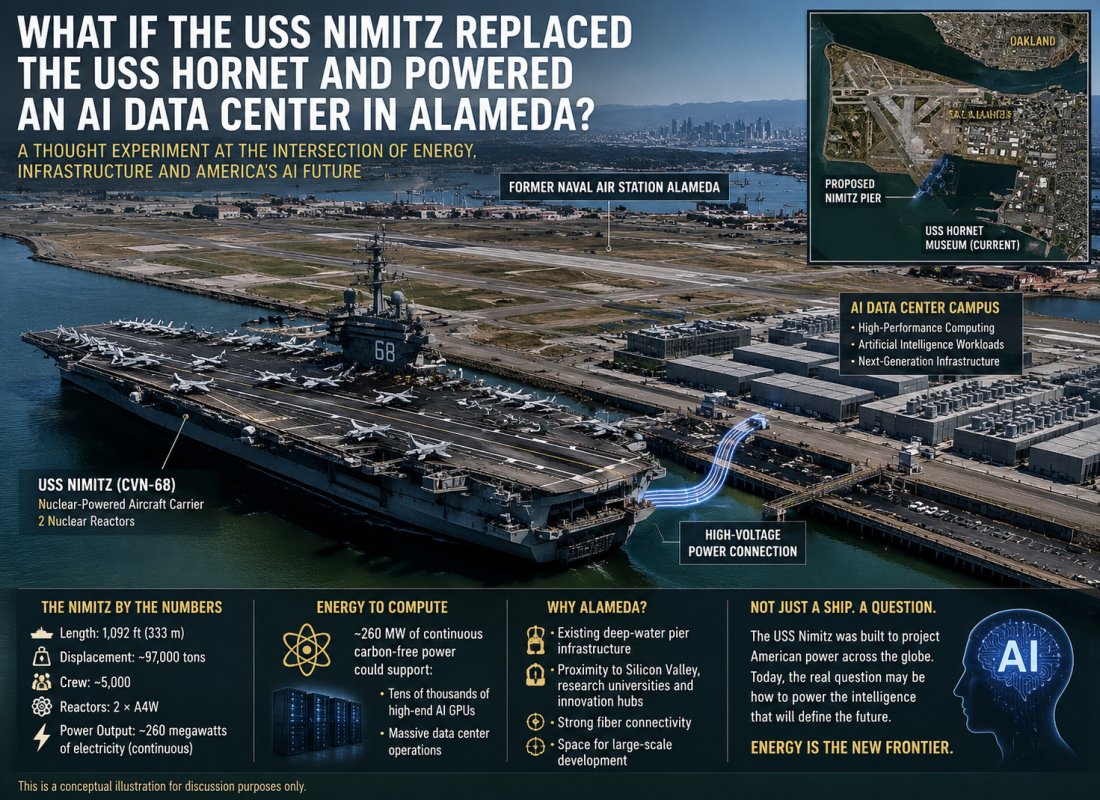
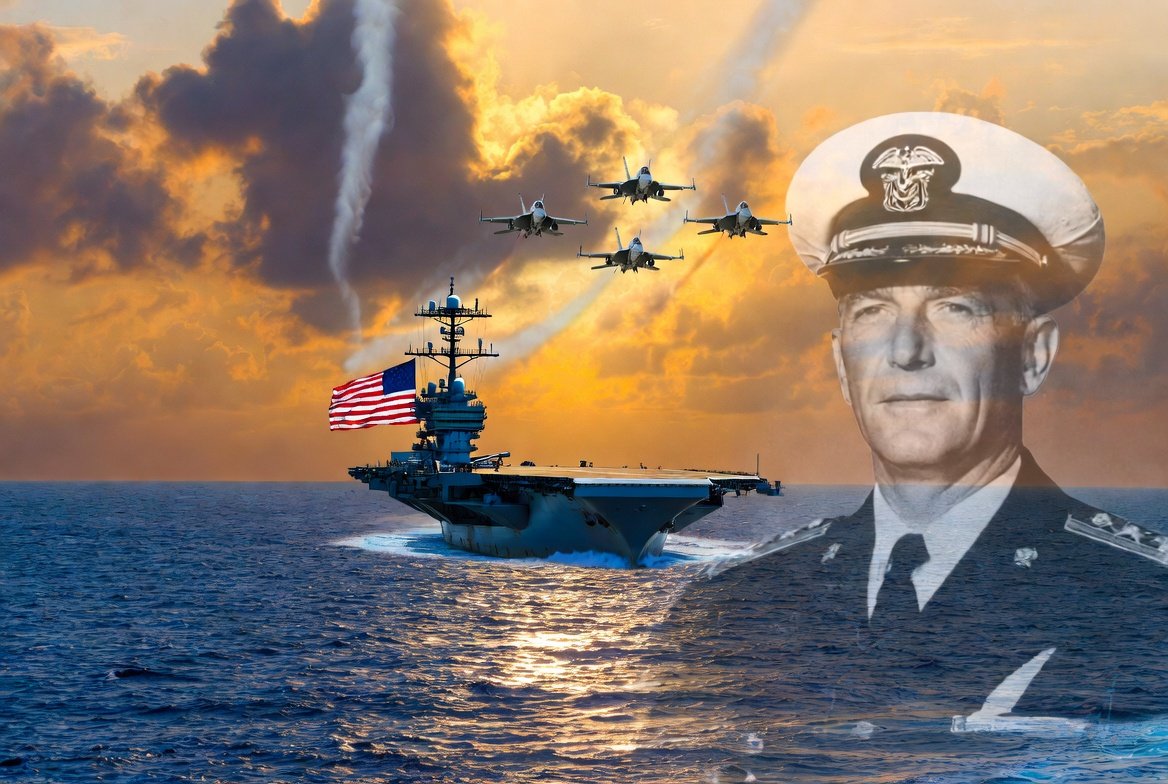
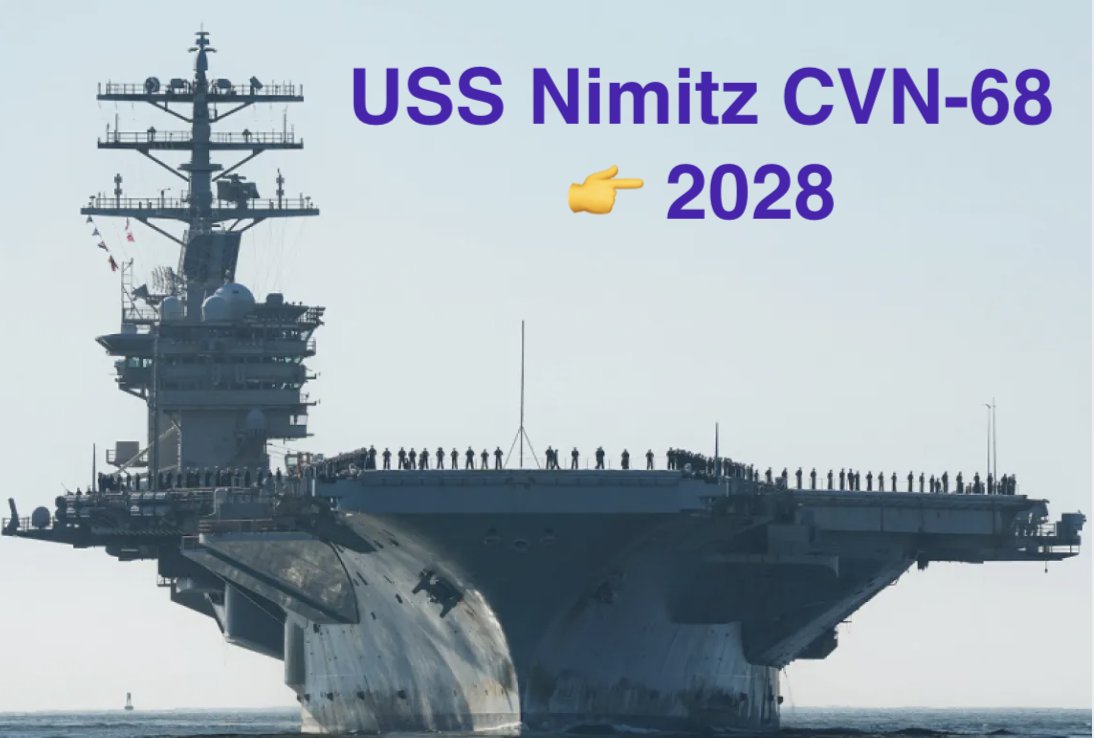
In a noisy world of quick wins and loud personalities, real excellence often starts quietly — with leaders who put facts, people, and long-term results first. Fleet Admiral Chester W. Nimitz is the perfect example. A man from humble beginnings who rose to command the largest naval force in history and turned the tide of World War II in the Pacific. His name still sails the oceans today aboard the USS Nimitz (CVN-68), the lead ship of the world’s most successful aircraft carrier class.
From Modest Roots to Pacific Commander
Born in 1885 in Fredericksburg, Texas, far from the sea, Nimitz graduated 7th in his class from the U.S. Naval Academy in 1905. His early career had setbacks — he ran a destroyer aground as a young officer and faced a court-martial — but he earned a second chance. He became the Navy’s leading expert on submarines and pioneered underway replenishment techniques (refueling at sea), which proved critical for sustained operations across the vast Pacific.
After the Japanese attack on Pearl Harbor in December 1941, Nimitz was named Commander-in-Chief of the U.S. Pacific Fleet. The fleet was devastated. Many saw his appointment as a near-impossible task. Nimitz saw opportunity.
The Battle of Midway: Facts, Trust, and Decisive Victory
The defining moment came in June 1942 at the Battle of Midway. Japan aimed to destroy the remaining U.S. carriers and seize Midway Atoll with overwhelming force: 4 heavy carriers, superior numbers in ships and aircraft.
Nimitz made several critical, fact-based decisions:
- He trusted intelligence from Commander Joseph Rochefort’s codebreakers, who accurately predicted the Japanese target and timing despite skepticism from superiors, including Admiral Ernest King. Nimitz concentrated every available carrier.
- He took a calculated risk, deploying three carriers (including the hastily repaired USS Yorktown) against Japan’s four.
- He empowered subordinates: Rear Admiral Frank Jack Fletcher and Raymond Spruance had tactical command. Nimitz did not micromanage from Pearl Harbor.
- He focused on logistics, people, and morale. He restored confidence in a beaten fleet and created an environment where talent could thrive.
The Output? On June 4–7, 1942, U.S. forces sank all four Japanese carriers (Akagi, Kaga, Soryu, Hiryu) while losing only one of their own (Yorktown). This victory stopped Japanese expansion, shifted the balance of naval power, and enabled the U.S. island-hopping campaign that led to victory in the Pacific. Nimitz later commanded over 2 million personnel, thousands of ships, and aircraft in the largest naval theater in history.
His famous leadership philosophy:
“Leadership consists of picking good men and helping them do their best.”
What If We Gave Admiral Nimitz a Job in Our Company Today?
If Nimitz joined our business today, here’s the output we could realistically expect:
- Rapid trust in intelligence and data: He would back the best analysts and act decisively on quality information — even against conventional wisdom — leading to faster, better strategic decisions.
- Empowerment of talent: He would identify capable people (regardless of background or past mistakes), give them real responsibility, and support them without constant interference. This creates ownership, innovation, and high performance.
- Calculated risk-taking: Not reckless, but bold when facts justify it. He turned a numerically inferior force into a decisive winner. In business, this means investing in high-potential opportunities while protecting core strengths.
- Strong logistics and sustainability: His focus on underway replenishment would translate to building resilient systems, efficient operations, and the ability to maintain momentum during long campaigns (product launches, market expansions, crises).
- Culture of accountability + humanity: High standards matched with patience, loyalty, and gratitude. People would feel valued, leading to lower turnover, higher morale, and “uncommon valor” becoming common effort.
- Long-term results: Steady, relentless progress toward clear objectives. Under Nimitz, the U.S. Navy went from defensive survival in 1942 to total dominance by 1945.
In short: measurable growth, resilient teams, decisive wins in competitive markets, and a reputation that lasts for decades.
Why This Matters for Our Business
This is exactly the spirit we want to embody. We are building something American-made in excellence: a company where trust is earned and returned, where the best people are given the freedom to deliver their best work, and where facts drive decisions.
We are deeply grateful to everyone who places trust in us — our team members, partners, and customers. You make us better. We commit to giving that trust back through opportunity, support, transparency, and results.
Like Nimitz at Midway, we may sometimes be outnumbered or face tough odds. But with the right people, clear facts, and mutual trust, we can achieve turning-point victories.
Let’s build something that lasts — together.