








Low OSV Orderbook + LCO2/Decarbonization Projects Creating Refit & Modernization Opportunities
Executive Summary
For operators and brokers who must generate revenue every single day from offshore assets, the current environment is one of the strongest structural setups in over a decade.
The global OSV orderbook sits at a historic low of ~4% of the active fleet (216 vessels as of Q4 2025), while marketed utilization is projected to climb from 76% in 2025 to 77% in 2026 and exceed 79% in 2027. At the same time, decarbonization projects like Northern Lights are driving demand for specialized LCO₂ carriers and creating urgent modernization needs across the existing fleet.
This combination — extreme supply constraint + regulatory + energy transition demand — creates a multi-year window where modernized, compliant vessels deliver premium day rates, higher utilization, and stronger asset values.
1. The Supply Reality: Historic Low Orderbook
- OSV Orderbook: Only 216 vessels globally (57% AHTS, 43% PSVs) — representing ~4% of the active fleet. This is one of the lowest ratios in modern history.
- Fleet Dynamics: Operational fleet at ~3,209 vessels (Q4 2025), with laid-up tonnage decreasing. Ageing vessels (many 15–25+ years old) are being life-extended rather than replaced.
- Utilization Forecast: Marketed utilization expected to reach 77% in 2026 and >79% in 2027 as E&P spending and offshore wind activity accelerate.
Bottom Line for Daily Operators: Every additional day of high utilization and every percentage point of rate improvement flows straight to the bottom line. In this environment, vessels that are not modernized risk falling into lower-tier charters or increased downtime.
2. Decarbonization Catalysts: Northern Lights & Beyond
- Northern Lights Project (Norway)The Blueprint
- World’s first cross-border CO₂ transport and storage facility.
- Phase 1: 1.5 million tonnes CO₂ per year (operational since 2025).
- Phase 2: Scaling to >5 million tonnes per year by 2028.
- Fleet Expansion: Multiple new LCO₂ carriers (7,500–12,000 m³) already in service or on order (e.g., Northern Phoenix, Bernhard Schulte vessels, MOL / “K” Line charters).
This project is proving that specialized LCO₂ transport is commercially viable and scalable — creating a new class of high-value vessels and retrofitting opportunities for existing offshore support tonnage.
Indian Offshore Complexes India is pushing massive maritime infrastructure expansion (₹4,150+ crore integrated complexes in Maharashtra and beyond) including shipbuilding, repair, dry docks, and offshore services. Combined with naval priorities, this creates both competition for yard capacity and new demand for modernized support vessels in the Indian Ocean region.
Broader Trend: Decarbonization (dual-fuel, ammonia-ready, efficiency retrofits) is no longer optional — it is becoming table stakes for long-term contracts and regulatory compliance.
3. Practical Profit Signals: When & Where to Invest in Upgrades
High-ROI Modernization Priorities (2026–2028)
- Fuel Efficiency & Emissions Retrofits
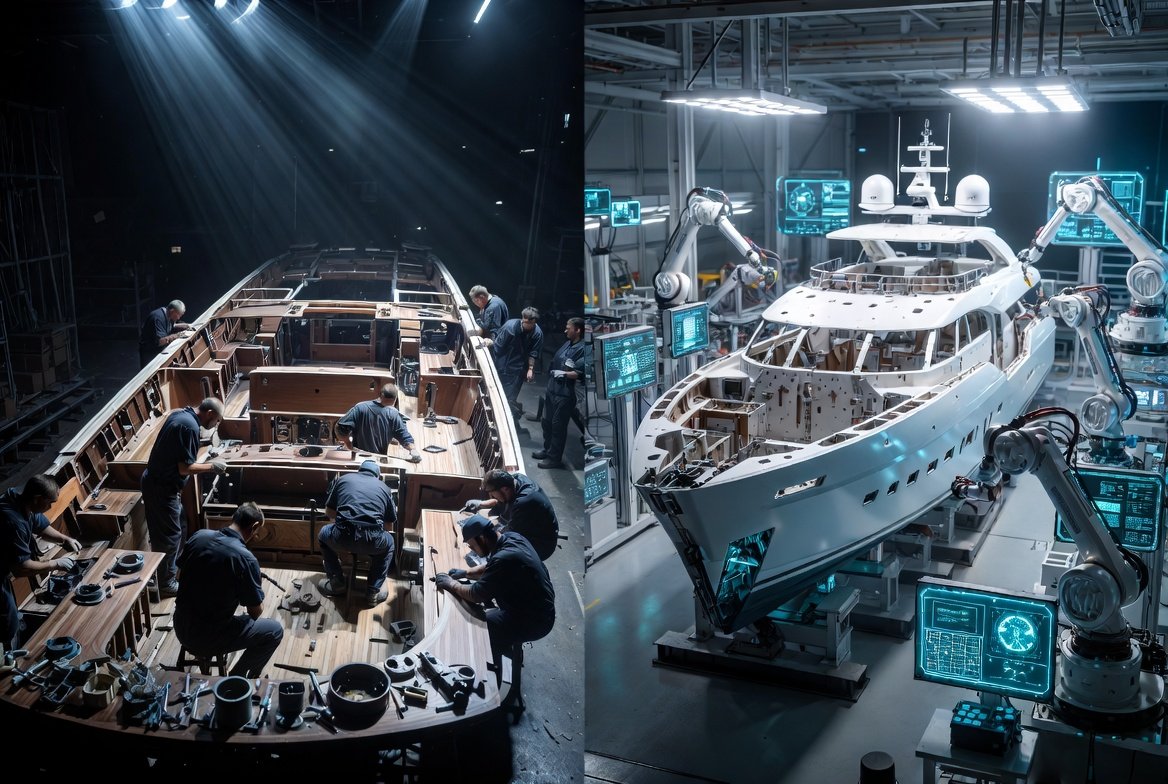
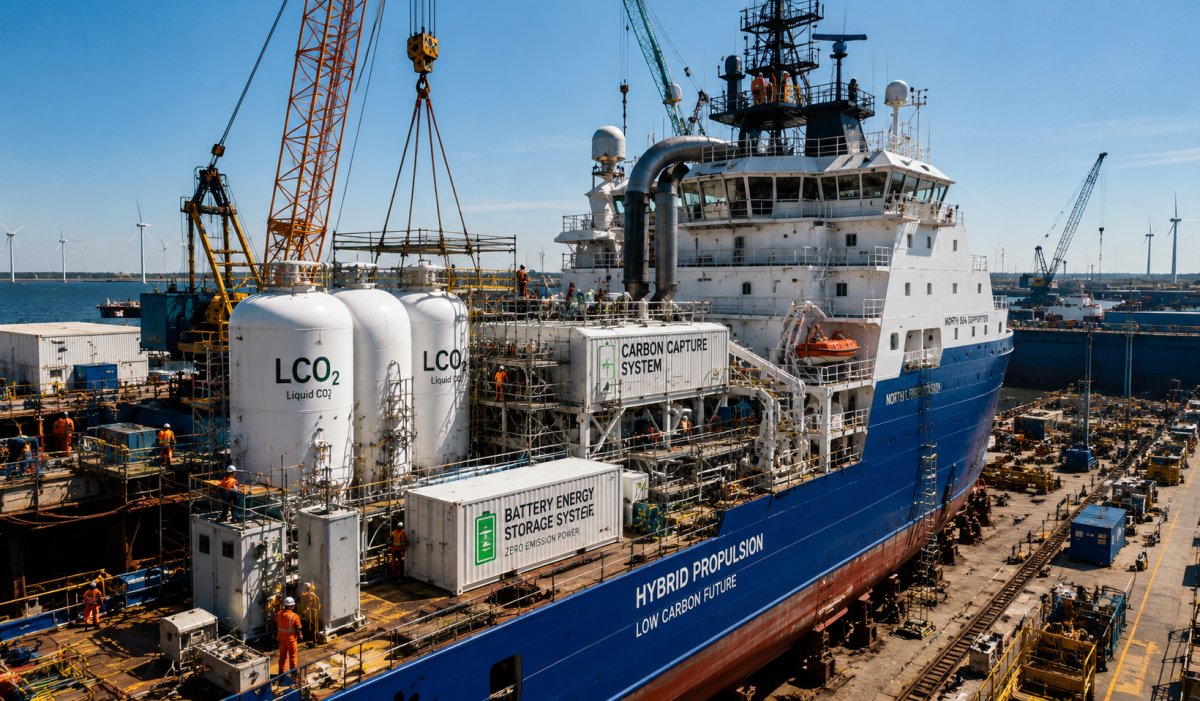
- Technologies: Hull cleaning systems, propeller upgrades, exhaust gas cleaning, hybrid/battery integration.
- Expected Impact: 21–29% improvement in asset utilization and significant OPEX reduction. Payback periods often 18–36 months in high-utilization environments.
- Compliance & LCO₂ / Alternative Fuel Readiness
- Prioritize vessels that can be upgraded for dual-fuel or LCO₂ capability. Northern Lights-style projects will need reliable support and specialized tonnage.
- Digital & Operational Upgrades
- Real-time monitoring, predictive maintenance, and electronic systems for RFMO / IMO compliance — critical for tuna/offshore crossover and premium charters
Regional Hotspots for Investment Returns:
- Latin America (Guyana/Brazil): Strongest near-term demand growth.
- West Africa & Middle East: High baseline utilization + long-term contracts.
- Asia-Pacific / Indian Ocean: Modernization + new offshore wind/energy transition projects.
- North Sea / Northern Europe: Direct spillover from Northern Lights and CCS expansion
Broker Strategy:
- Focus listings on modernized, high-spec, documented vessels with full compliance history. These close faster and at premium valuations.
- Use verified GlobalBoats profiles to connect fleet owners needing upgrades with buyers/investors seeking immediate cash-flow assets.
GlobalBoats Action Playbook for Daily Revenue Generators
- Audit Now: Assess your fleet for modernization ROI using current utilization forecasts (77%+ in 2026).
- Position Aggressively: Verified, data-rich listings in Commercial & Industrial Marine attract higher-quality leads from operators under regulatory pressure.
- Cross-Segment Leverage: Combine vessel modernization intelligence with marina/berth capacity and shipyard constraint data for complete client solutions.
- Timing: Q3–Q4 2026 is optimal for locking in upgrades before 2027 tightening.
The operators who treat modernization as a profit engineering project — not just a compliance exercise — will capture the highest margins in this renaissance.
GlobalBoats Market Intelligence Perspective This is not hype. It is a data-driven structural shift: historic supply constraint meets real decarbonization capital flow. Professionals who act with precision on modernization will protect and grow daily revenue streams through 2030.